Best Weight Vests for HYROX Wall Balls and Running
The right HYROX vest should feel almost forgettable on a run and almost absent during a wall-ball set. That sounds like a modest brief. It is not. Here are the strongest snug racing vests and adjustable-load training vests for athletes who need both.
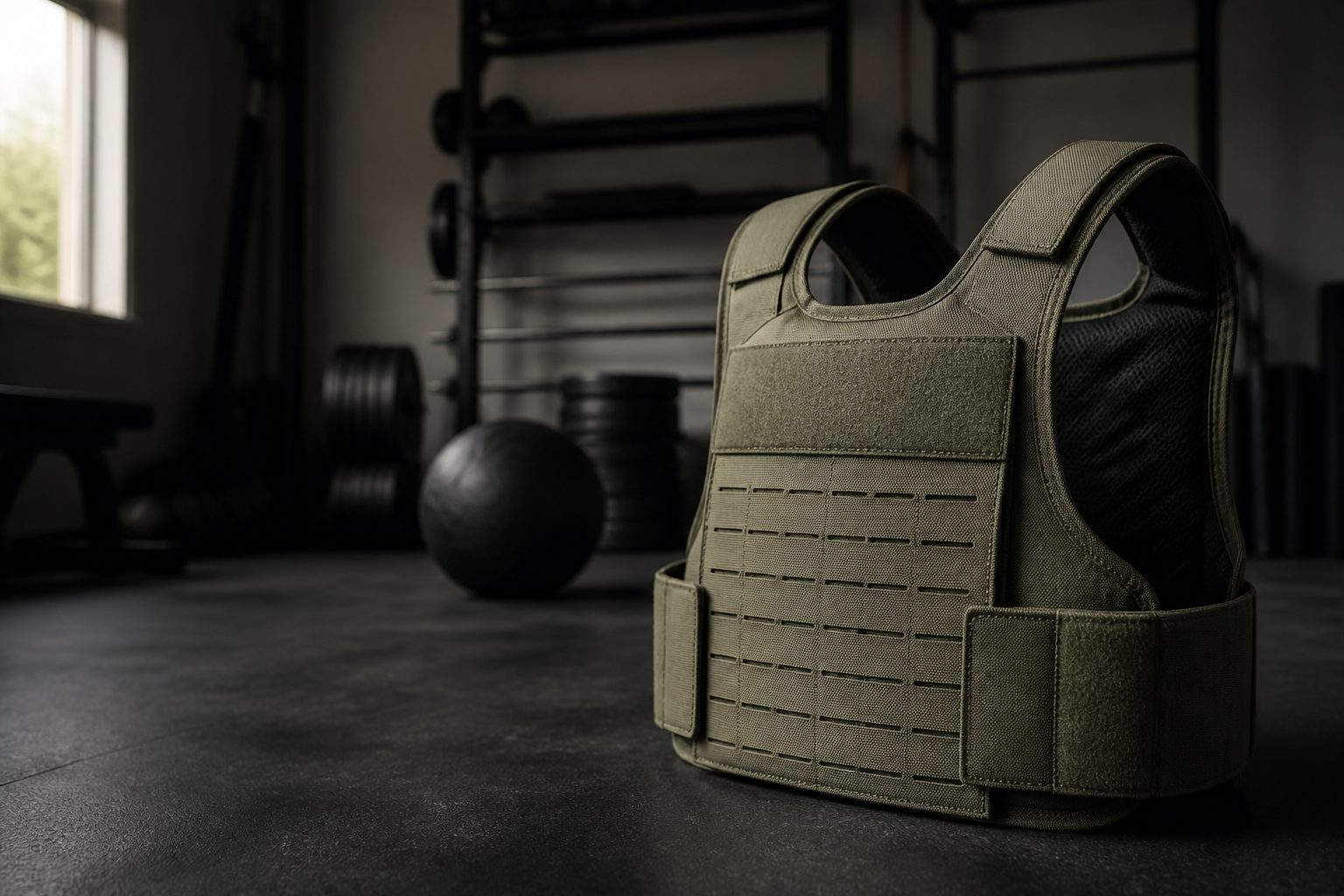
A HYROX-ready vest has to stay close through repeated running efforts, then leave your shoulders free enough to make wall balls feel like wall balls rather than a wrestling match.
 By James Oduya · Staff Writer & Home Gym Columnist · Updated November 06, 2026
Why HYROX exposes a bad weight vest quickly
A weighted vest is a simple bit of kit until running and wall balls enter the same session. Then the details become very obvious, very fast. A loose carrier rises and falls with every stride. A thick front plate sits between your chest and the ball. A sharp edge or poorly placed buckle that seemed harmless during a few push-ups begins a long campaign against your collarbones. None of this improves your split time. Quite the opposite.
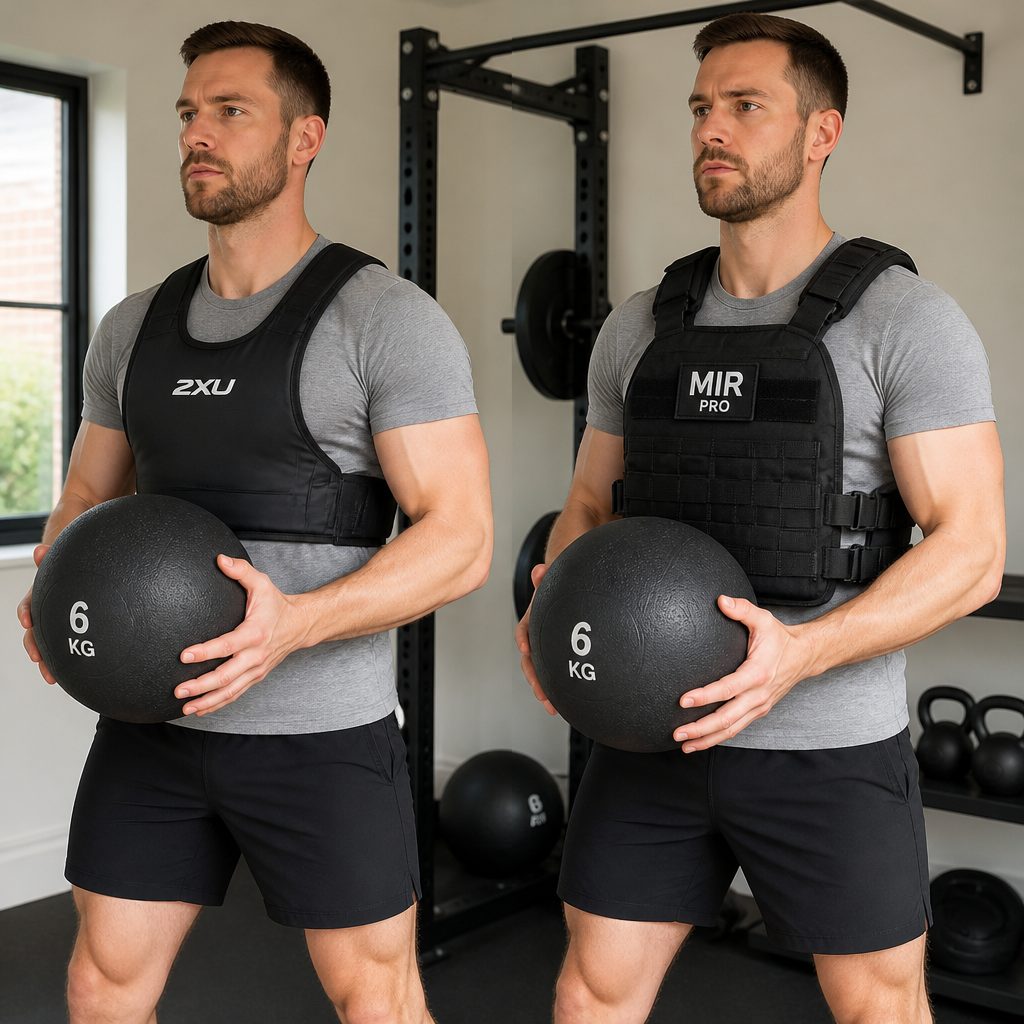
Close-fitting designs spread weight over the torso, while plate carriers concentrate it front and back; the distinction matters most once running and high-rep throws are combined.
HYROX training asks for a different balance to pure strength work or a casual weighted walk. You need a vest that remains stable when fatigue has made your posture a little less tidy, allows a full overhead throwing pattern, and does not turn the running portions into a noisy exercise in adjusting straps. Snug racing-style vests generally put distributed or low-profile weight close to the torso. They are the tidier answer for race simulations and run-heavy sessions. Adjustable-load models bring greater scope to progress loading and can be useful for broader conditioning, Murph-style training and bodyweight strength work.
There is no universal winner because the best choice depends on what you are actually doing most often. Someone refining pacing under a competition-style load needs a different thing from someone who wants one vest for circuits, carries, pull-ups and gradually heavier training. The sensible purchase is the one that matches your training block, not the one with the most tactical-looking straps.
The short version: racing vest or adjustable-load vest?
Think of this roundup as two sensible camps rather than five versions of the same product. The Omorpho G-Vest Icon HYROX and Hyperwear Hyper Vest Elite are performance-led, close-to-body options. Their respective distributed-weight systems are designed to reduce the familiar plate-carrier sensation of a solid object shifting on your chest. That is particularly helpful when you are repeatedly transitioning from running into stations.
The Hybrid Weight Vest, Battle Bunker Hybrid Weight Vest MK2 and UNBROKEN Speed Vest take the more adaptable route. They make greater sense when training includes progressive loading, bodyweight work, conditioning blocks and more than a little experimentation. They are not automatically worse for HYROX. They simply require more care with setup, and their strengths lie beyond the narrow question of race-day feel.
The useful rule
If your main goal is a run-and-wall-ball simulation, buy for stability at the load you actually intend to wear. If your main goal is months of progressive weighted conditioning, buy for loading flexibility. Trying to make one vest be brilliant at both can work, but compromise is usually waiting in the changing room.
How the five leading vests compare
The table below separates the core construction ideas. It deliberately focuses on the features that affect how the vest behaves in mixed HYROX training, rather than pretending that five very different loading systems can be reduced to one neat score.
| Model | Vest approach | Weight system | Fit and movement focus | Training extra |
|---|---|---|---|---|
| Omorpho G-Vest Icon HYROX | Snug racing-style vest | MicroLoad™ distributed weights with G-Pack inserts | Front zip, sizing cords and ventilated mesh back | iPhone workout app with new monthly workouts |
| Hyperwear Hyper Vest Elite | Form-fitting performance vest | Small galvanised steel weights across the torso | Stretchy CORDURA® body, side lacing and open side panels | Reflective detailing |
| Hybrid Weight Vest | Convertible modular training vest | Padded removable plates | Half-vest or full-vest mode, airflow channels and quick-dry mesh | Murph programme included |
| Battle Bunker Hybrid Weight Vest MK2 | Plate-carrier training vest | Front and back plate pockets with steel-shot plates | Low-profile 1000D Cordura construction and adjustable cummerbund | Structured vest-specific training programme in the Battle Bunker app |
| UNBROKEN Speed Vest + Flexible Weight Plates | Adjustable-load training vest | Sand or flexible iron plates | Stable fit intended to reduce bounce and retain full range of motion | Flexible plates move with the body |
Ranked picks for HYROX wall balls and running
Each of these vests has a legitimate role. The ranking reflects the specific brief: running without excessive movement, wall balls without needless restriction, and enough day-to-day practicality that the vest does not become expensive cupboard decoration after one enthusiastic weekend.
1. Omorpho G-Vest Icon HYROX — Best for race-specific HYROX training
The Omorpho G-Vest Icon HYROX is the clearest fit for athletes who want a vest built around the sensation of moving fast under load. Its MicroLoad™ system distributes small weights anatomically around the torso rather than relying on the familiar front-and-back plate format. That matters when you are moving from a hard run into a wall-ball station: the load is less likely to feel like a separate item trying to make its own decisions.
The women's vest began at 6 lbs and could be adjusted to 12 lbs, whilst the men's version began at 10 lbs and could reach 20 lbs with additional G-Pack inserts. Those figures make the product unusually direct for HYROX-focused sessions. You can start with a lighter familiarisation load and build towards a more demanding simulation without changing to another vest.
Close-to-body fit is the headline, but the supporting details are sensible too: a front zip, adjustable sizing cords and a ventilated mesh back. Review feedback noted that it required very little thought once a workout had started, which is almost the highest compliment a running vest can receive. Its black-and-yellow HYROX styling is hardly subtle, but subtlety was never the point of a race-specific product.
Pros
- MicroLoad™ construction distributes weight across the torso rather than concentrating it in two plates.
- Available adjustment reached 12 lbs for women and 20 lbs for men with G-Pack inserts.
- Mesh back, zip and sizing cords support the close, stable fit needed for running.
Considerations
- Its specialist race focus makes it less obviously suited to very heavy, plate-carrier-style loading.
- The companion workout app was for iPhone rather than Android.
- It is a premium, purpose-built option rather than a basic entry-level vest.
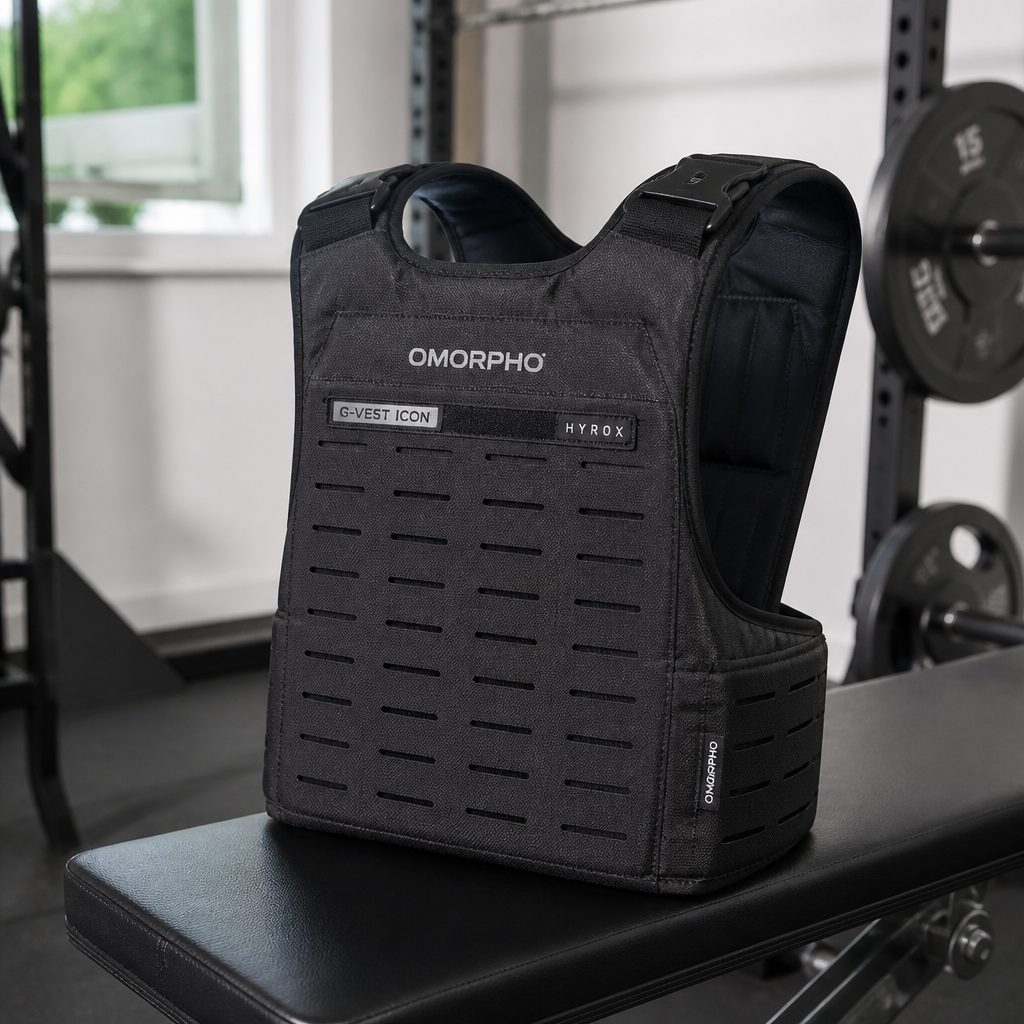
The Omorpho G-Vest Icon HYROX uses distributed MicroLoad™ weight rather than large front-and-back plates, a layout intended to keep the torso feeling less encumbered during running.
2. Hyperwear Hyper Vest Elite — Best for the least bulky running feel
The Hyperwear Hyper Vest Elite has long been the alternative for people who dislike the square, carrier-like feel of conventional weighted vests. Its small galvanised steel weights are spread around the torso within a stretchy CORDURA® fabric body. The result is deliberately more garment-like than armour-like. That is not merely a style point. During repeated short runs, a thinner and more evenly distributed form can be far easier to live with.
It arrived loaded at 10 lbs, with weight options up to 20 lbs. Small sizing topped out at 15 lbs, while medium, large and extra-large models could reach 20 lbs. Adjustment happened in 2.25 lb increments, offering a practical route for building load without making giant jumps. The patented fabric control system was designed to flex more horizontally than vertically, allowing chest expansion whilst helping the vest stay put.
For wall balls, the open side panels and close torso profile are the appeal. There is no claim that a vest makes high-rep overhead work pleasant — it does not, because that would be suspiciously magical — but the Elite aims to remove bulk from the equation. Breathable, odour-resistant fabric and reflective striping also make sense for runners who use it outside the gym as well as inside it.
Torso-hugging weight distribution
Small steel weights are placed across the torso, producing a lower-profile shape than traditional large plates.
Fabric that moves for breathing
The patented construction flexes more horizontally and less vertically, supporting chest expansion without encouraging vertical movement.
Ventilation where it counts
Open side panels, breathable fabric and odour resistance make more sense once a training session has become unreasonably sweaty.
3. Hybrid Weight Vest — Best for versatile HYROX and bodyweight training
The Hybrid Weight Vest takes a different approach: it converts from half-vest to full-vest mode in seconds. That is a genuinely useful design choice for athletes whose training is not exclusively HYROX. A shorter configuration can make sense when you want maximum shoulder freedom, while the full vest provides a broader load layout for more involved weighted circuits.
Its half-vest mode covered 5–10 lbs and full-vest mode covered 5–20 lbs. Depending on the version, each vest included 9 to 13 padded plates, with individual plates measuring 4 inches long, 2 inches wide and half an inch deep. The smaller configuration was listed at 14.5 lbs with plates. More importantly, the design centres on anti-chafe, bounce-free and quick-dry movement, with mesh neoprene inside and channels between plates intended to reduce heat, friction and sweat saturation.
That makes it particularly persuasive for an athlete doing wall balls, pull-ups, presses, running and general functional work in the same week. Customer feedback specifically praised its stability during runs and high-rep workouts, along with unobstructed shoulders. The included Murph programme reinforces the point: this is not a narrow race vest; it is a modular training tool that happens to suit HYROX preparation well.
Pros
- Convertible half-vest and full-vest formats give you two useful movement profiles.
- Load options covered 5–10 lbs in half mode and 5–20 lbs in full mode.
- Airflow channels and quick-dry mesh target the heat and friction of longer sessions.
Considerations
- Its modular format requires more setup thought than a dedicated race-style vest.
- The conversion feature is valuable only if you will actually use both configurations.
- For pure running simulations, the sleeker racing options remain the more focused choice.
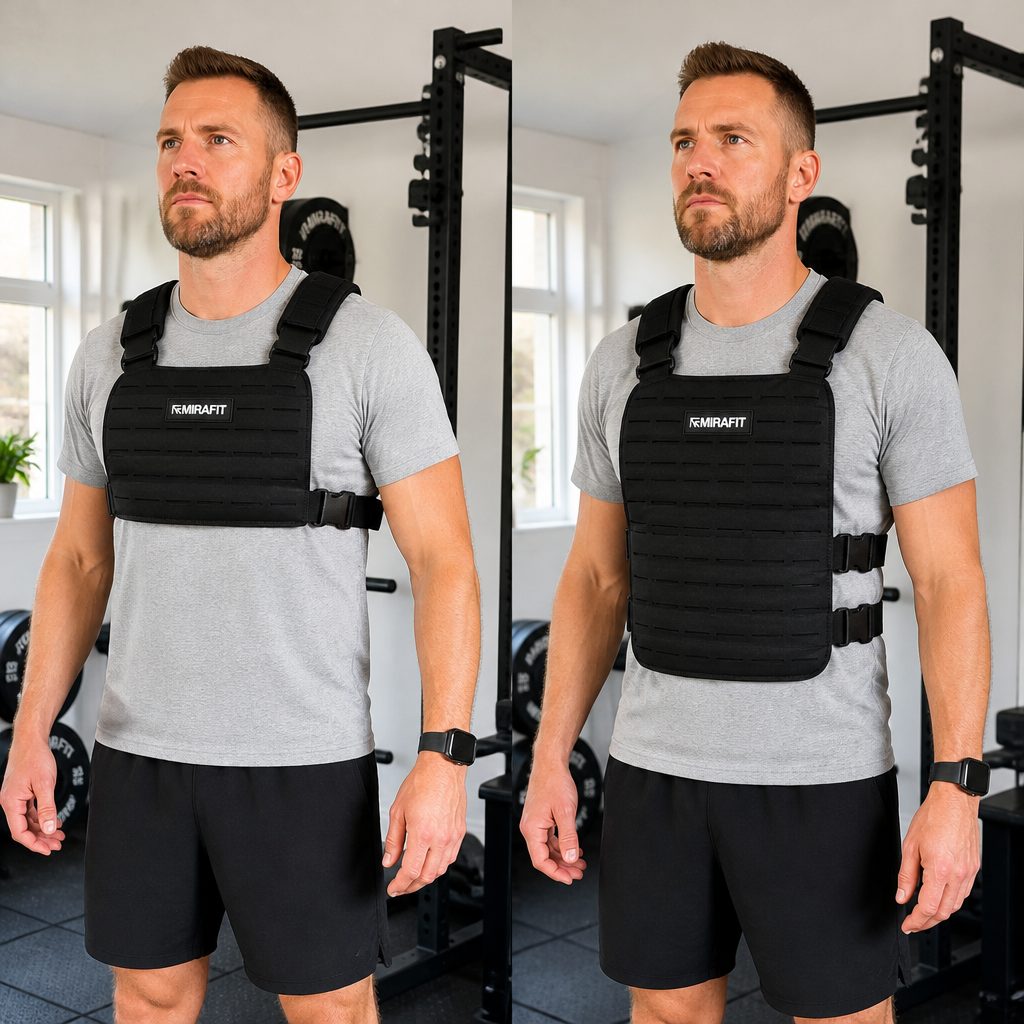
The Hybrid Weight Vest's defining feature is its conversion between shorter half-vest and full-vest formats, giving shoulder-intensive sessions a useful degree of flexibility.
4. UNBROKEN Speed Vest + Flexible Weight Plates — Best for flexible-load movement
The UNBROKEN Speed Vest + Flexible Weight Plates is for the person who likes the adjustability of a plate system but does not particularly enjoy the sensation of rigid plates. Its flexible weight plates were built to move better with the body, while the vest itself was designed for a stable fit that reduces bouncing during running and movement. That is a promising combination for hybrid training, especially when your workout includes more than straight-line efforts.
Loading can be adjusted using sand or flexible iron plates. This makes the Speed Vest an interesting middle ground between a highly specialised distributed-load race vest and a traditional tactical carrier. The flexible plate concept should appeal to anyone who has found firm, flat plates intrusive when squatting, breathing heavily, catching a ball or reaching repeatedly overhead.
It is best viewed as a movement-first adjustable vest. The key attraction is not a long technical specification sheet; it is the idea that the load can follow your torso more naturally. If you are training for HYROX but also do varied conditioning sessions where bending, crawling, lifting and transitions matter, that flexibility could be the deciding feature.
Flexible loading does not remove the need for a careful fit. Before introducing hard running intervals or high-rep wall balls, tighten and position the vest for the movement you are practising. Even a well-designed flexible system cannot compensate for a loose harness.
5. Battle Bunker Hybrid Weight Vest MK2 — Best for robust progressive conditioning
The Battle Bunker Hybrid Weight Vest MK2 is the most traditional plate-carrier-style choice here, and that is exactly why it suits a particular kind of buyer. It was designed and assembled in the USA from 1000D military-grade Cordura, with a low-profile structure, adjustable cummerbund and front and back plate pockets. It shipped with steel-shot plates totalling 20 lbs.
That starting configuration gives it a serious training identity. This is a vest for athletes who want to load bodyweight strength work, build tolerance across longer hybrid sessions and use a structured programme rather than simply go for the occasional weighted jog. Battle Bunker's app included a 12-week vest-specific programme covering progressive loading volume, hybrid conditioning, bodyweight strength work and benchmark sessions such as Murph.
For a dedicated HYROX wall-ball-and-running brief, it sits behind the more body-hugging alternatives because conventional front-and-back plate loading is inherently more substantial. But it remains a strong pick if your HYROX block is one part of an all-round weighted-training plan. It was designed to fit athletes from 5'0" to 6'5", which also makes the adjustable platform useful in a household where gear gets shared.
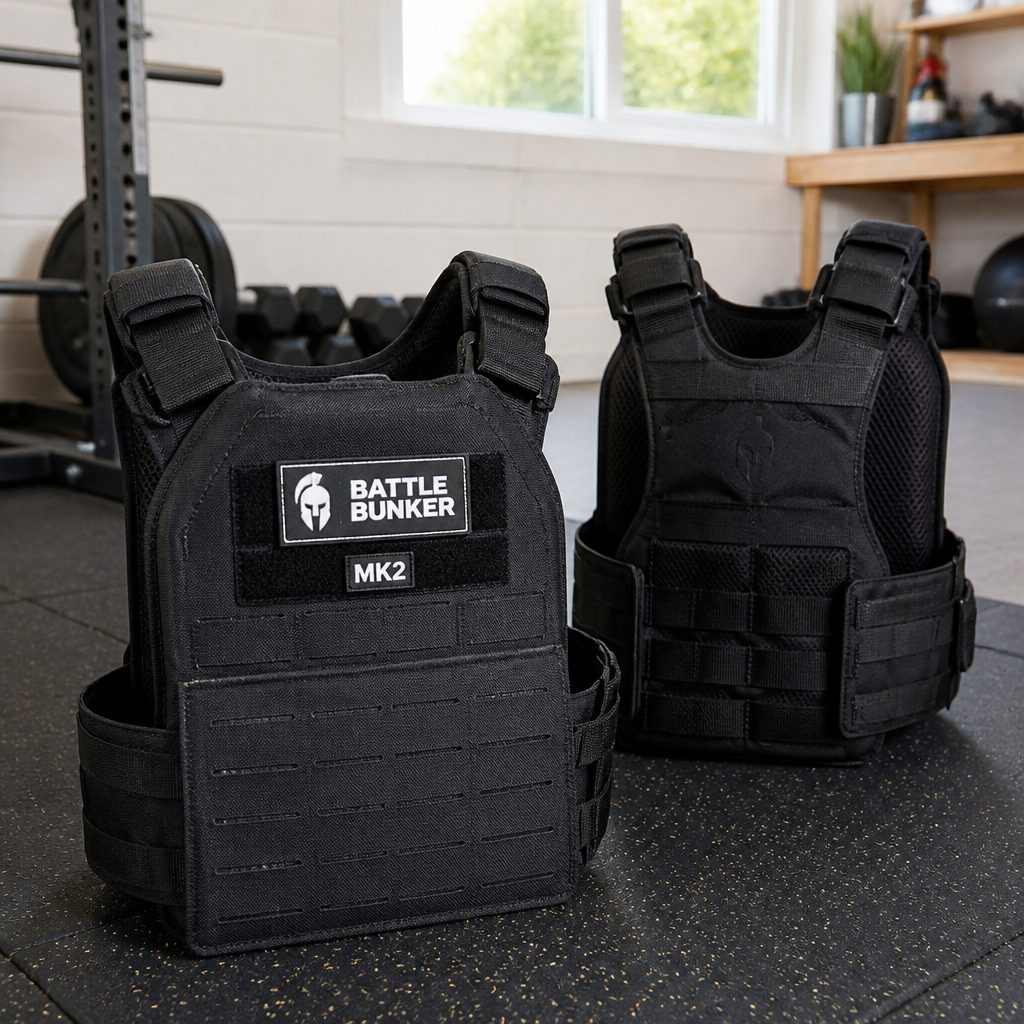
Battle Bunker's MK2 uses a classic front-and-back plate-carrier layout, prioritising durable progressive loading and structured conditioning over the barely-there feel of a racing vest.
Wall balls: what your vest must not interfere with
Wall balls are where an unsuitable vest reveals itself. You need to squat deeply, hold the ball securely, drive up powerfully and release overhead for rep after rep. A vest that rides up into the throat, presses into the sternum or catches your arms at the top of the throw becomes more than irritating. It changes your movement, and poor movement under fatigue is not a feature.
This is why shorter or more anatomically distributed designs have an advantage. The Omorpho's MicroLoad™ layout and the Hyperwear's many small steel weights avoid the single large front slab associated with carrier-style vests. The Hybrid Weight Vest earns its position because its half-vest format was designed around overhead mobility, while its full version creates a broader option when movement freedom is less critical.
The UNBROKEN Speed Vest also deserves attention here because flexible plates are intended to move with the body. Meanwhile, the Battle Bunker is best treated honestly: it can support hard functional training, but you should choose it because you value durable plate-based progression, not because a full carrier is the most unobtrusive option for a long wall-ball set.
Build wall-ball tolerance gradually
Do not make your first weighted wall-ball session a heroic volume challenge. Start by checking whether the vest changes your depth, breathing rhythm, ball path or overhead reach. The goal is controlled familiarisation, not a dramatic lesson in why your shoulders have opinions.
Running: bounce is the enemy, not weight itself
A vest does not have to be feather-light to run well. It has to be stable. A firmly centred load becomes part of your body position surprisingly quickly; a loose one remains a distraction every stride. The most capable running options in this group all tackle that problem differently. Omorpho relies on close torso fit, a zipper and adjustable cords. Hyperwear combines side lacing with its fabric control system and distributed steel weights. Hybrid Weight Vest feedback highlighted a stable, non-digging fit during runs and high-rep work.
There is a useful practical distinction between "does not bounce" and "feels like nothing". No loaded vest feels like nothing during a hard effort, and it should not. You are carrying extra resistance. The better products simply avoid adding erratic movement to the job. They should allow your arms to swing, your ribcage to expand and your concentration to remain on pace rather than on the next strap adjustment.
For outdoor runners, the Hyper Vest Elite's reflective striping is a worthwhile extra. For gym-based simulations, ventilation may matter more, especially when the vest will stay on during station work. The Omorpho's mesh back, Hyperwear's open side panels and Hybrid's airflow channels each address heat build-up in their own way. Comfort is not frivolous here. A hot, damp vest is more prone to rubbing and far less likely to be used consistently.
Fit, loading and sensible progression
Fit should be checked standing tall, jogging lightly and moving through an unloaded squat-to-press pattern. A vest that feels fine when still can behave very differently once you are breathing hard. The starting point is simple: secure it close enough that it does not shift, but not so tightly that it restricts your breathing. There is no prize for making a vest feel like a medieval punishment device.
Choose the loading system around your goal. Omorpho and Hyperwear offer controlled ways to add weight while keeping a performance-oriented profile. The Hybrid Weight Vest's removable padded plates and dual configuration support more varied progression. UNBROKEN gives you sand or flexible iron options. Battle Bunker accepts its supplied plates and custom steel plates, placing it firmly in the progressive plate-carrier camp.
It is usually wise to treat running and high-repetition wall balls as separate skills before combining them under load. First confirm that the vest stays in place on easy running. Then see whether it changes your wall-ball mechanics. Then combine short bouts. The vest should be an added challenge, not an excuse for rehearsing awkward form. If something repeatedly rubs, shifts or restricts movement, adjust it or reconsider the format. Toughness is useful. Ignoring obvious equipment fit problems is just admin waiting to happen.
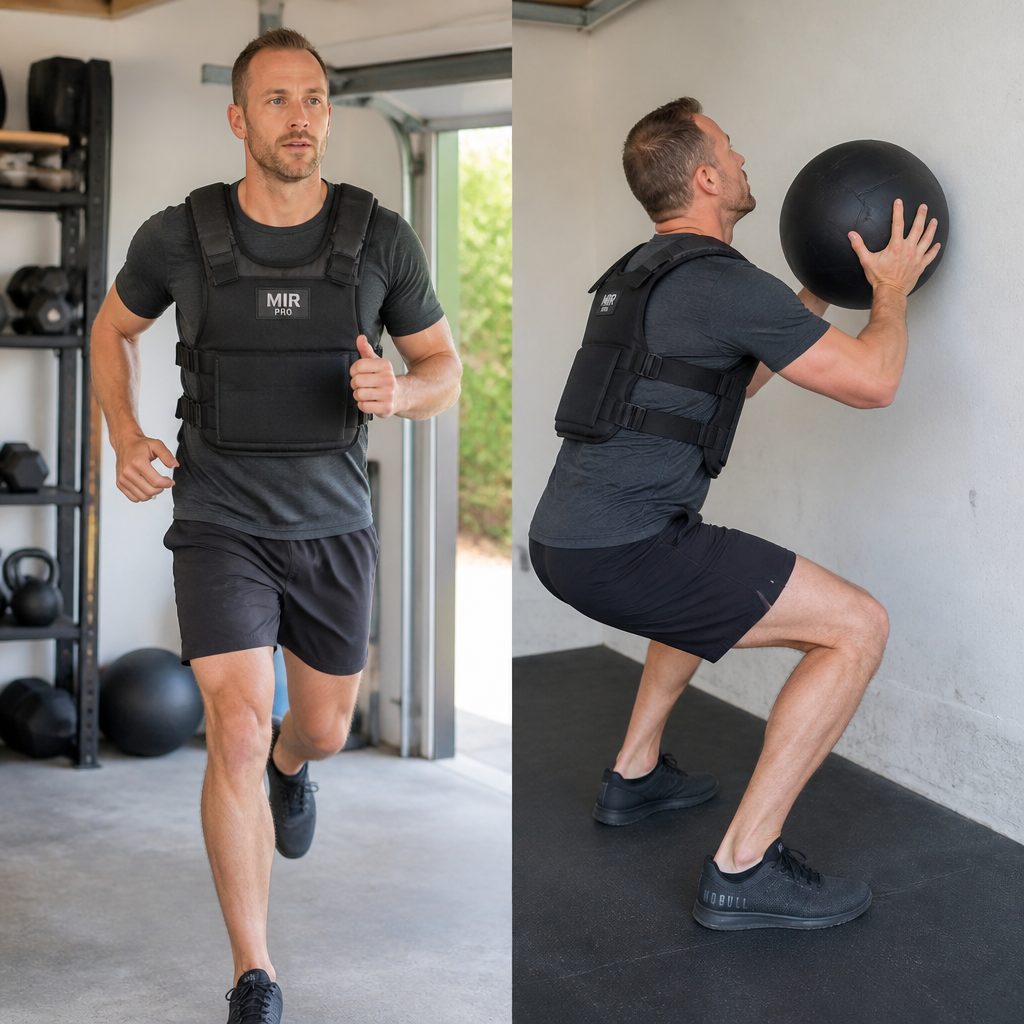
A stable fit should keep the load close during running while still allowing full breathing and clean overhead mechanics when the session moves into wall balls.
Who should buy which HYROX vest?
Best for race-specific preparation
Omorpho G-Vest Icon HYROX. Choose it when close-fit running performance and a HYROX-focused distributed load are the entire point of the purchase.
Best for runners who hate bulk
Hyperwear Hyper Vest Elite. Its torso-hugging fabric construction, side lacing and small distributed steel weights make it the sleek performance choice.
Best all-rounder
Hybrid Weight Vest. The half-vest and full-vest conversion makes it the sensible choice for athletes who also train pull-ups, presses and Murph-style sessions.
Best for a flexible feel
UNBROKEN Speed Vest + Flexible Weight Plates. Best suited to anyone who wants adjustable loading without the rigid feel of standard hard plates.
Best for durable progressive loading
Battle Bunker Hybrid Weight Vest MK2. The robust Cordura carrier and supplied 20 lbs configuration suit committed weighted conditioning.
Best one-vest compromise
Hybrid Weight Vest. It gives the broadest combination of load adjustment, movement freedom and format flexibility for mixed weekly training.
Frequently asked questions
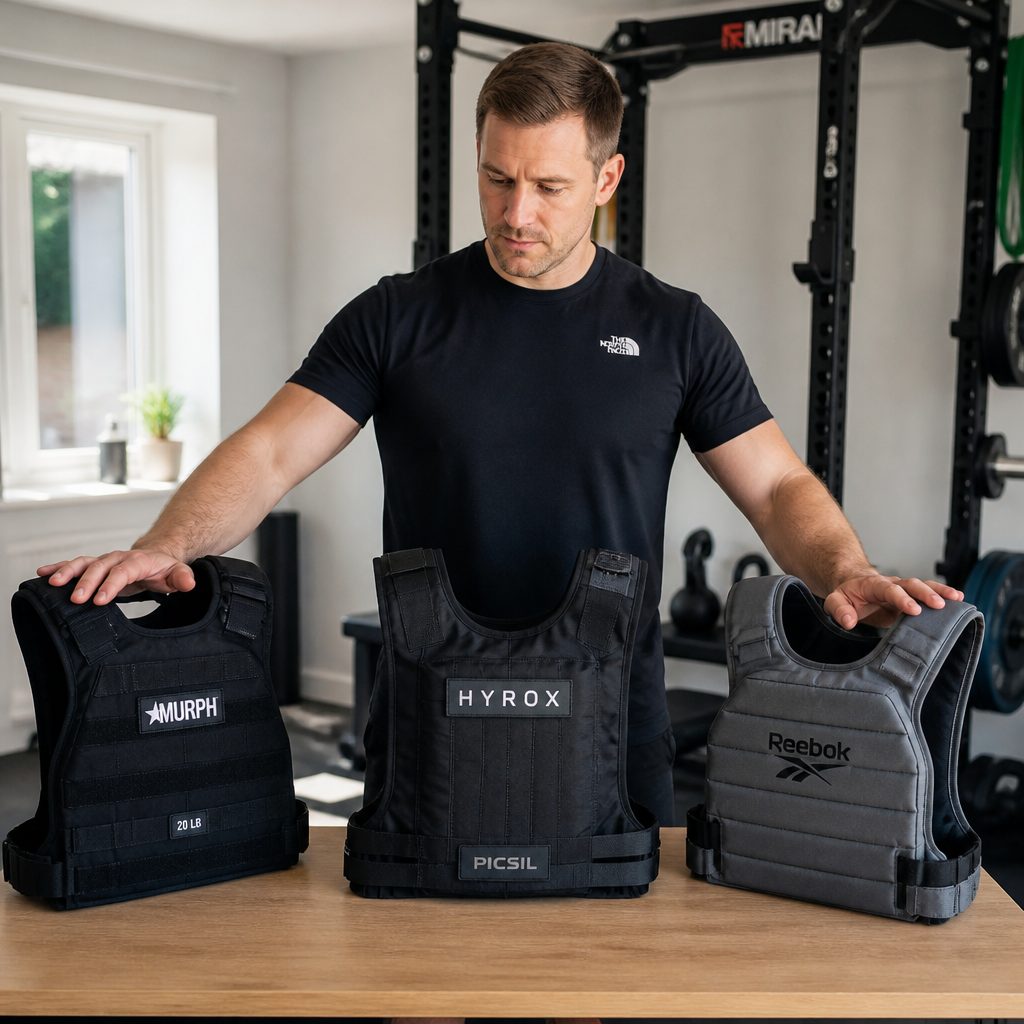
The best vest is the one that matches the work you do repeatedly: close, quiet and race-focused for simulations, or adjustable and robust for broader weighted conditioning.
The bottom line
For most serious HYROX athletes, the Omorpho G-Vest Icon HYROX is the best match for wall balls and running because its distributed MicroLoad™ system, close fit and race-specific format address the two hardest demands directly. The Hyperwear Hyper Vest Elite is the excellent alternative for runners wanting the least bulky, garment-like feel.
If your training life includes more than HYROX, the Hybrid Weight Vest is the more flexible all-round buy. The UNBROKEN Speed Vest + Flexible Weight Plates suits athletes who value adaptable loading with a less rigid feel, while the Battle Bunker Hybrid Weight Vest MK2 is the robust choice for serious progressive weighted conditioning. Buy for the movement you repeat most. Your shoulders, stride and wall-ball technique will all be rather grateful.