
Polar Loop: subscription-free 8-day band takes on WHOOP
Polar's screenless fitness band arrived a year ago without monthly fees — but WHOOP's trade-dress lawsuit means the real battle is still ongoing.
 By James Oduya · Staff Writer & Home Gym Columnist · Updated September 14, 2026
What you need to know
- Polar Loop launched September 2025 at £149.50 — a one-off payment with no subscription required
- WHOOP filed a US trade-dress lawsuit in October 2025 alleging the Loop copies its screenless band design; Polar denies all claims
- UK buyers are not currently affected by the US legal proceedings, but the outcome could reshape the screenless wearable market
Polar Loop ships: no screen, no subscription, and a lawsuit in tow
It has been just over a year since Polar quietly upended the screenless wearable market. The Finnish sports-tech brand — which has been making heart rate monitors and fitness devices for nearly five decades — began shipping the Polar Loop on 10 September 2025, following a pre-order announcement on 3 September. Priced at £149.50 as a one-time purchase, the Loop arrived with a straightforward pitch: everything WHOOP offers in form, none of the monthly fees. Within weeks, WHOOP had filed a lawsuit.
What the Polar Loop actually is
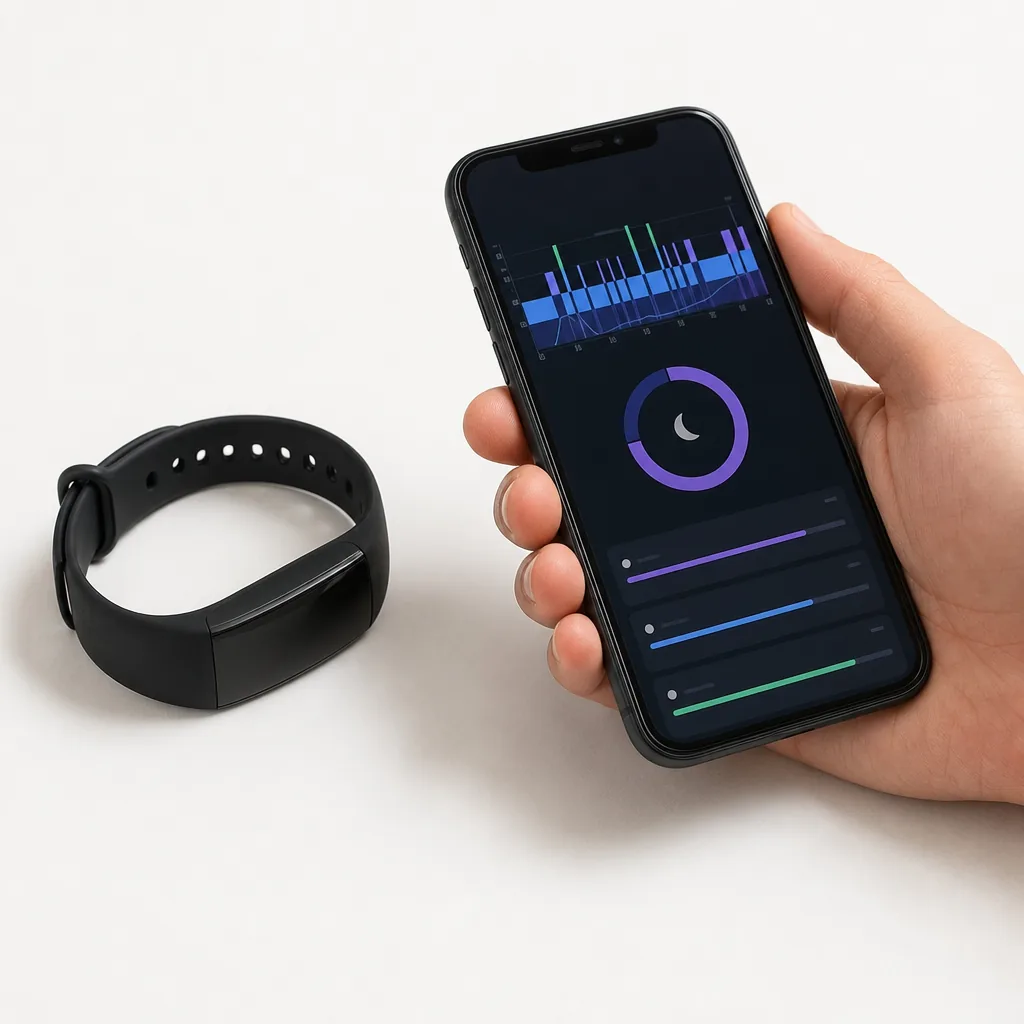
The Loop is Polar's first screen-free wearable band — a compact, 29-gram device measuring 42 × 27 × 9mm, designed to be worn around the clock including during sleep. The textile band and stainless-steel buckle house Polar's Precision Prime Optical Heart Rate Sensor (Gen 3.5), the same sensor technology found in the flagship Polar Vantage V3 sports watch. An accelerometer handles motion, steps, and activity detection, while a first-generation temperature sensor is included in the hardware, though it is not yet fully accessible through the app.
Because there is no display, users check everything — sleep scores, training load, recovery, heart rate variability — through the Polar Flow app on Android or iOS. Polar says the band delivers up to eight days of battery life on a single charge via a proprietary USB-C connector. There is no built-in GPS, though users can activate connected GPS through their phone.
The Loop comes in three colours — Greige Sand, Night Black, and Brown Copper — and ships with two wristband sizes (small and medium-large) in the box. Interchangeable wristbands are available separately at £15.90.
The case against subscriptions
The commercial argument Polar is making is blunt. The WHOOP 5.0, one of the best-known screenless recovery trackers on the market, costs a minimum of $199 per year to access your own data. The Polar Loop costs £149.50 once. Polar says every feature is available from day one, with no ongoing fees and no tiered access.
The Loop tracks steps, workouts, heart rate, calories, sleep stages, and recovery — offering training load and HRV insights comparable to those found in Polar's more expensive Vantage watch range, with the obvious caveat that GPS is absent. For athletes focused on a structured training plan rather than lifestyle metrics, Polar describes the Loop as offering similar depth to the Vantage series at a fraction of the cost.
It is not without competition beyond WHOOP. The Amazfit Helio Strap is a $99 screenless band with a claimed 10-day battery life — two more days than the Loop — and sits at a notably lower price point, though it lacks the depth of Polar's ecosystem and sensor heritage.
WHOOP files suit — and wins one case elsewhere
On 14 October 2025, WHOOP filed a federal lawsuit and preliminary injunction request in the US District Court for the Eastern District of New York against Polar Electro Oy and Polar Electro Inc. The complaint alleges trade-dress infringement, false designation of origin, unfair competition, and trademark dilution under the Lanham Act. WHOOP claims the Polar Loop is a "wholesale copy" of its signature design — specifically the continuous fabric band, faceless front, and thin metallic side accents. It is seeking damages, profit disgorgement, and a permanent injunction blocking US sales.
Polar has flatly rejected the accusations. A Polar spokesperson told MobiHealthNews:
"Polar firmly denies any allegations of intellectual property infringement. Our products are the result of decades of innovation and rigorous design processes, and we remain confident in the originality and integrity of the appearance and design of our products."
A preliminary hearing in the Polar case took place in January 2026. WHOOP's injunction request remains under review as of the most recent confirmed reports from May 2026, with the case proceeding on a normal litigation track.
WHOOP's legal position was bolstered in February 2026, when the US District Court for the District of Massachusetts granted a separate preliminary injunction against Chinese manufacturer Lexqi, ruling that Lexqi's device was "almost identical" to the protected trade dress of the WHOOP 5.0 and WHOOP MG. Legal observers have noted that preliminary injunctive relief of this kind is relatively uncommon in trade-dress disputes, where proving non-functionality and distinctiveness at an early stage is typically difficult — making the Lexqi ruling a meaningful signal of how seriously courts may take WHOOP's design claims.
What this means for UK buyers right now
The WHOOP lawsuit is a US proceeding. As of the latest confirmed reporting, UK and European availability of the Polar Loop has not been reported as affected, and there is no indication that sales outside the United States are under any immediate legal threat. UK buyers can purchase the Loop today at £149.50.
Whether the case ultimately affects how the screenless tracker category develops globally is a different question. If WHOOP's trade-dress protection is upheld and broadened, it could raise the bar for any brand attempting to enter the faceless, fabric-band wearable market — potentially limiting future choice for consumers. For now, the Polar Loop remains on sale, the lawsuit grinds through the US courts, and the wearable industry is watching both outcomes very carefully.
Why it matters
For UK buyers fed up with subscription fatigue, the Polar Loop is one of the most compelling arguments yet for paying once and being done with it — £149.50 upfront versus a minimum $199 a year for WHOOP access is a genuinely significant difference. The ongoing US lawsuit introduces some uncertainty about the long-term trajectory of the screenless tracker category, but as things stand, UK and European availability has not been reported as affected. If WHOOP ultimately wins its design protection argument, it could make it significantly harder for other brands to enter this space — which would matter for anyone hoping competition keeps prices honest.