
Garmin Cirqa launches in UK: screen-free, no subscription fee
Garmin's first new fitness band in four years ditches the display and the monthly bill — and it's already available on the UK high street.
 By James Oduya · Staff Writer & Home Gym Columnist · Updated July 31, 2026
What you need to know
- Garmin Cirqa Smart Band launched on 24 July 2026, priced at £179.99 in the UK
- Screen-free design with 10-day battery life and 5ATM water resistance
- No subscription required; all core health and sleep data free via Garmin Connect
Garmin has launched the Cirqa Smart Band in the UK, a screenless fitness tracker priced at £179.99 that requires no ongoing subscription to access its full suite of health and training data. The device was announced on 21 July 2026 and became available to order from 24 July, through Garmin's website and select retail partners including Currys.
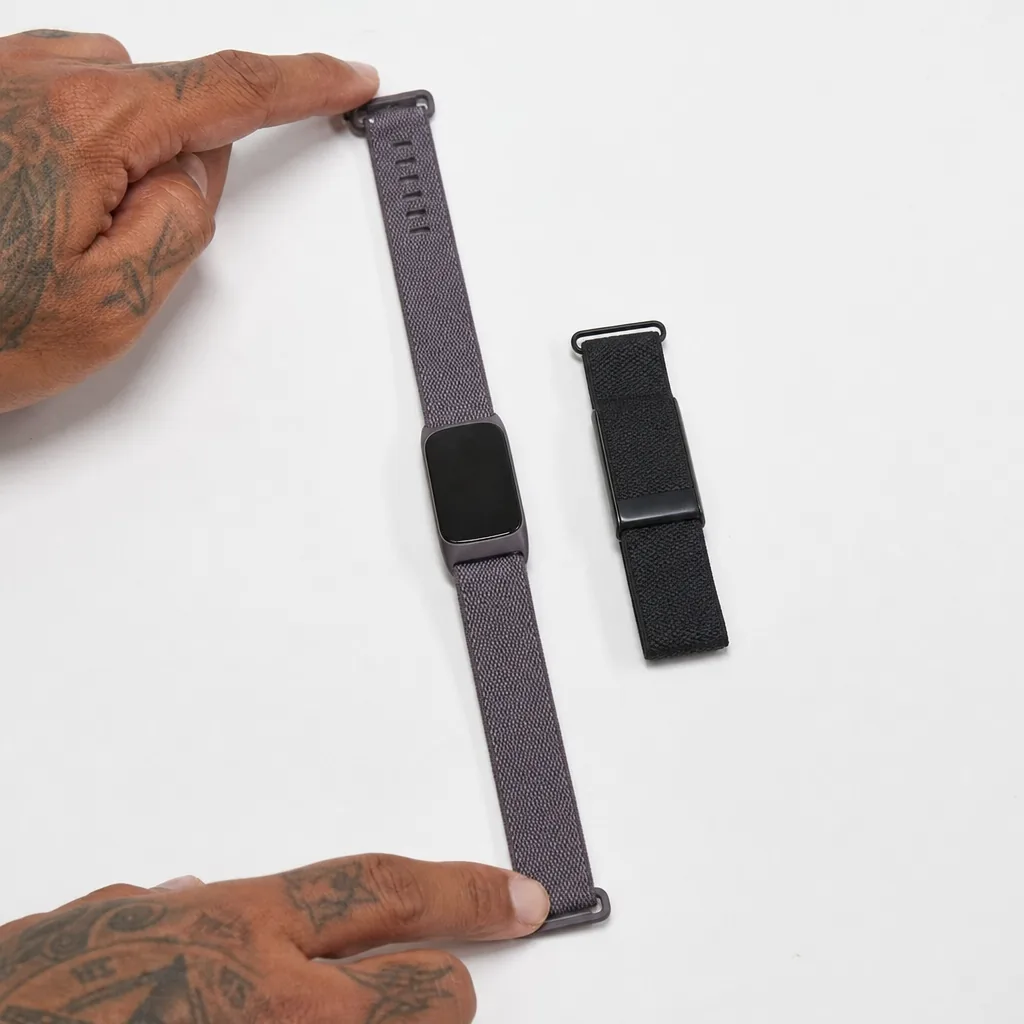
It is Garmin's first new fitness band in approximately four years, and its most direct answer yet to the growing market for low-profile, always-on health wearables.
What the Cirqa actually does
The Cirqa is worn on the wrist — or, optionally, on the upper arm — and tracks a broad range of health metrics without ever showing them on the device itself. All data is routed to the Garmin Connect app. The band weighs 20 grams, is water-resistant to 50 metres (5ATM), and Garmin claims a 10-day battery life from a single charge using the same proprietary Garmin charging port, with USB-C at the cable's other end.
Shop Garmin Cirqa launches in UK on Amazon UK
The sensor at its heart is Garmin's Gen 4.1 Elevate optical unit, which tracks heart rate, heart rate variability (HRV), blood oxygen saturation (SpO2), respiration rate, and skin temperature. It sits one step below the ECG-capable Gen 5 sensor found in Garmin's flagship watches and the Index Sleep Monitor, but it covers the metrics most users will actually want day to day.
Sleep tracking is thorough: the Cirqa logs sleep stages, produces an overnight score, flags whether you hit enough hours, and records HRV, breathing rate, and naps. Pulse oximetry is switched off by default — enabling it reduces battery life — but it can be turned on to power Breathing Variations monitoring, which looks for possible instances of sleep apnoea and breathing disturbance. Both Breathing Variations and skin temperature tracking require roughly three days of wear before data starts appearing, as the device needs to establish a baseline.
Beyond sleep, the Cirqa supports over 80 activity types, including cycling and strength training, with three workout recording modes — including automatic detection. It can also connect with Garmin Edge bike computers to display heart rate during rides. There is no built-in GNSS, so outdoor distance and pace data relies on a connected phone's GPS. There is also no barometric altimeter, compass, gyroscope, or EDA sensor.
Sizes, colours, and the upper arm option
The Cirqa comes in two sizes — S/M (fitting wrists from 120mm to 200mm) and L/XL (145mm to 240mm) — and launches in four colours: Black, Captain Blue, French Grey, and Mauve. Two further band colours, Citron Grey and Dark Olive, are available to purchase separately. A bicep band attachment is also available, configurable per activity in Garmin Connect, and priced at $59 in the US (approximately $209 bundled with the Cirqa pod on Garmin's own site); UK pricing for the accessory had not been separately confirmed at the time of writing.
The no-subscription pitch
The headline selling point is what Garmin isn't charging for. All core health, sleep, and training metrics are included in the purchase price with no monthly fee. Garmin's optional Connect+ plan costs £6.99 per month or £69.99 per year and adds features including Active Intelligence, nutritional tracking, expanded dashboards, and access to coached workout types including cardio, strength, HIIT, yoga, and pilates — but the Cirqa continues to function in full without it.
At launch, live activity stats were behind the Connect+ paywall, but Garmin announced on 23 July 2026 that live heart rate would be made free in the Garmin Connect Mobile app within days.
Susan Lyman, Garmin Vice President of Consumer Sales and Marketing, said at launch: "We purposefully created CIRQA Smart Band for those who are passionate about staying healthy and active. With its discreet design and trusted health and fitness tracking tools Garmin is known for, this smart band complements our lineup of popular smartwatches and wellness monitors... Plus, with no subscription required, CIRQA Smart Band helps you stay on top of your health and fitness goals."
How it compares to the competition
The Cirqa enters a market that has become considerably more crowded in 2026. Earlier this year, Google launched the Fitbit Air at $99 (£85 in the UK) — a budget screenless tracker aimed squarely at casual users. The Cirqa costs roughly twice as much, but offers a longer battery life (10 days versus the Fitbit Air's claimed seven) and a wider feature set.
At the other end of the scale, Whoop's entry-level One subscription costs £169 per year in the UK, with no option to own the hardware outright. Over three years, that adds up to at least £507 — compared to £179.99 for the Cirqa with no further outlay required. One area where Whoop does retain an edge: its PowerPack accessory allows the band to charge while still on the wrist, maintaining uninterrupted tracking. Neither the Cirqa nor the Fitbit Air offers an equivalent.
A long time coming
The Cirqa's existence had been an open secret for much of 2026. It was leaked on Garmin's Canadian website in January, appeared in FCC filings, had its name confirmed via a trademark filing on 11 April, and had its screenless design all but confirmed when Garmin Connect app code was examined in May. By the time Garmin made the official announcement on 21 July, the only genuine surprises were the price and the colour options.
The device is available now from garmin.com and Currys.
Why it matters
For UK buyers who've been eyeing the subscription-heavy fitness tracker market with suspicion, the Cirqa offers a credible exit ramp. Whoop's entry-level plan costs £169 a year — meaning three years with Whoop costs at least three times what you'd pay for the Cirqa outright. Garmin is essentially betting that a significant slice of the market wants serious health tracking without the ongoing direct debit, and at £179.99, it has pitched the Cirqa right between the budget Fitbit Air and the premium, subscription-only competition.