
Do You Really Need a WHOOP Subscription, or Will a One-Off Band Do?
WHOOP remains a very good recovery and training companion, but its subscription is part of the product rather than an optional extra. Here is how to decide whether its coaching is worth renewing year after year, or whether a buy-once screenless band from Garmin, Polar or Amazfit makes more sense for your training.
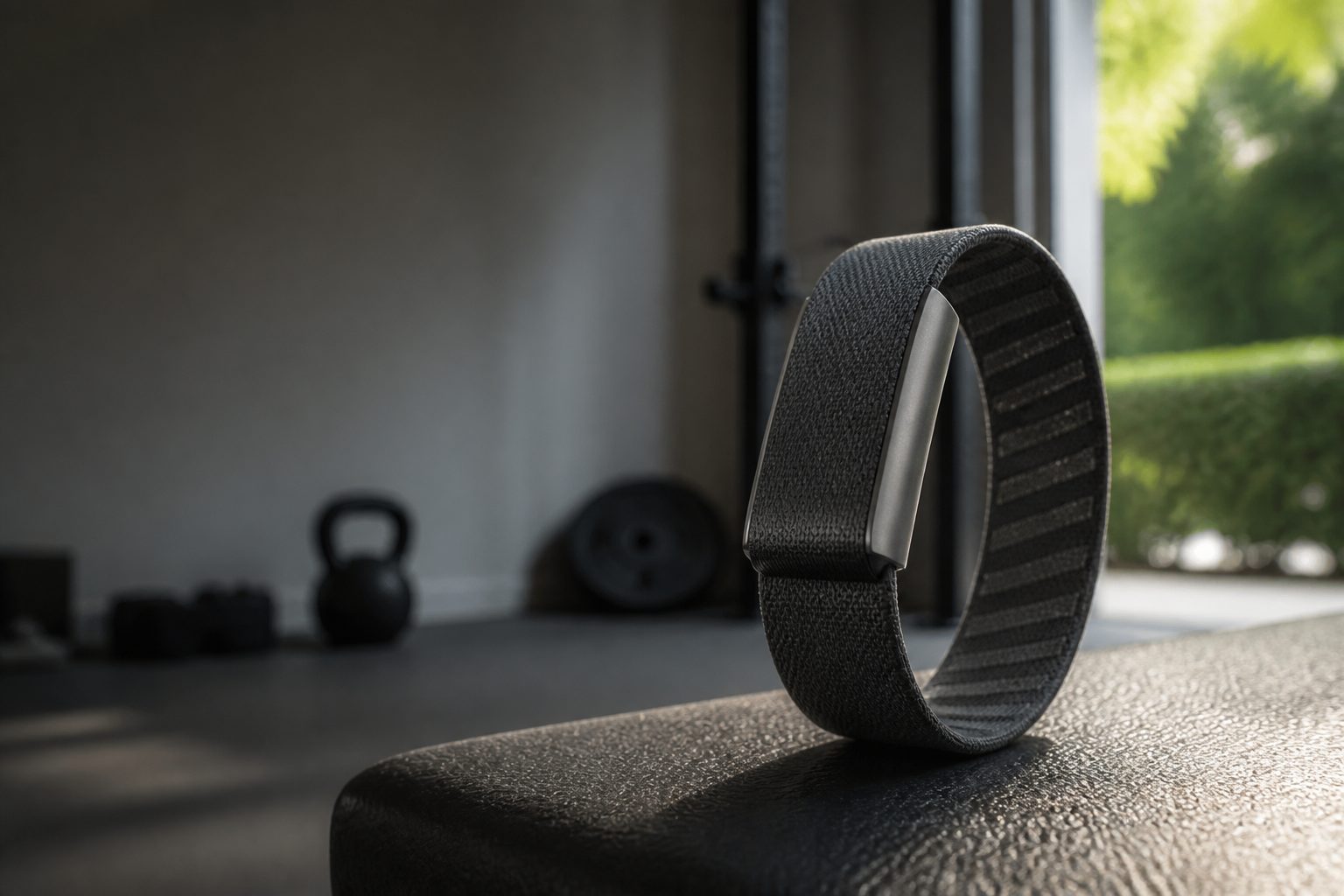
A screenless recovery band can be blissfully easy to wear all day, but the way you pay for the data changes the ownership experience rather more than the fabric strap suggests.
 By James Oduya · Staff Writer & Home Gym Columnist · Updated September 15, 2026
1. Start with the awkward bit: you are choosing a payment model, not just a band
Screenless fitness bands all appear to be selling much the same dream. Wear a soft little tracker. Sleep in it. Train in it. Let it collect heart-rate, recovery and activity information quietly in the background whilst you get on with life. No buzzing notifications at dinner, no watch face demanding a glance every six minutes, no need to pretend you urgently require another screen in your life.
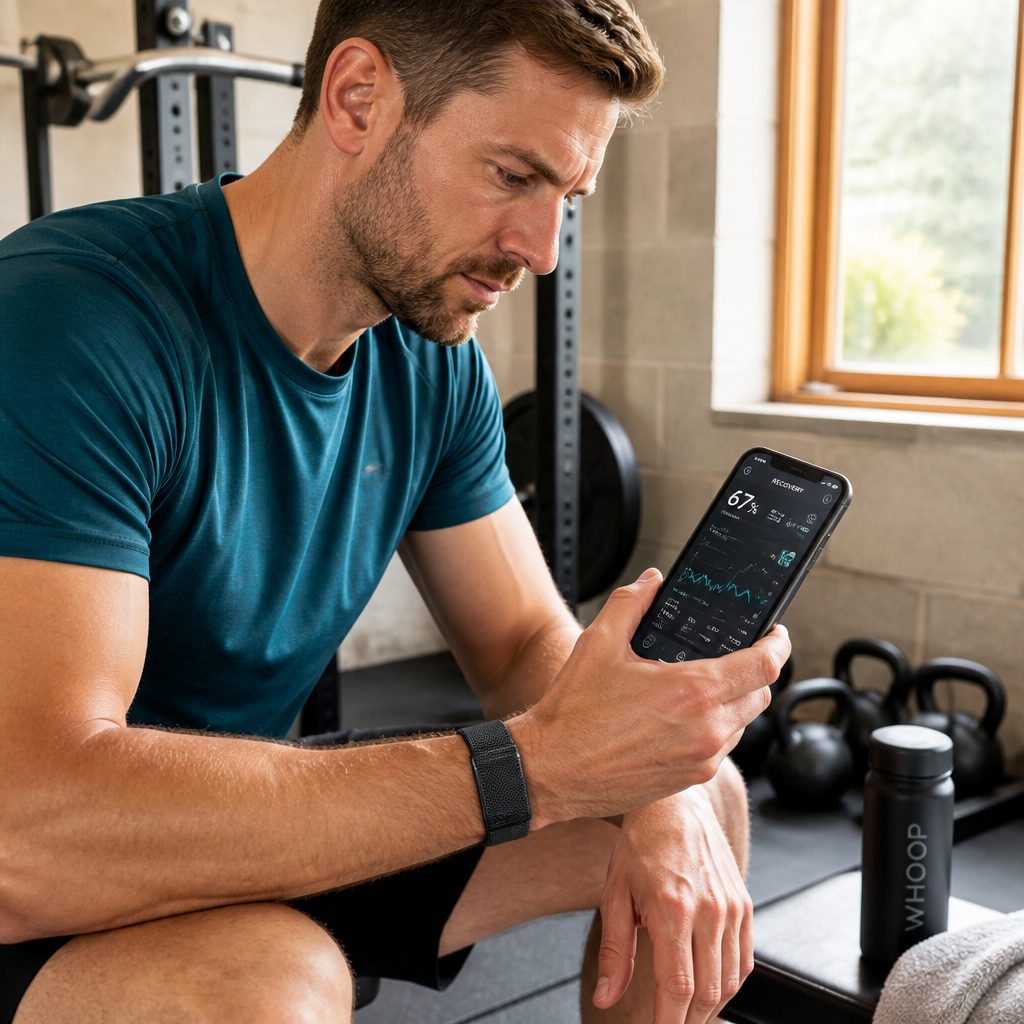
WHOOP's central idea is a daily loop: sleep and physiological signals shape recovery, recovery informs a strain target, and training feeds tomorrow's picture.
That is broadly true, but WHOOP and its newer rivals take very different routes to the same destination. WHOOP is a membership product. Its hardware is tied to an ongoing annual subscription, and the app is where the useful interpretation happens: recovery, strain, sleep need, habits and coaching. Stop paying and the practical reason to wear it largely stops with you.
Garmin CIRQA, Polar Loop and Amazfit Helio Strap work more like conventional gym gear. You buy the band, use the companion app, and retain access to the core tracking without a compulsory ongoing fee. There may be optional paid services elsewhere in an ecosystem, as with Garmin Connect+, but that is not the same thing as needing to keep a membership active simply to see your own training data.
This is not automatically a point in favour of the one-off band. A subscription can be sensible if it continually gives you value: clear coaching, a habit you actually use, and prompts that genuinely change your behaviour. A cheap-looking long-term deal becomes expensive if the device ends up in a drawer after a fortnight. The reverse is also true. A brilliant band can become rather irritating if every annual renewal feels like a small hostage negotiation.
The useful question is not "which tracker has more metrics?" It is "which information will I still check honestly in a year's time?" Most bands can create a great deal of data. Far fewer can turn it into a decision you make before your next hard session.
2. Understand what WHOOP membership actually buys you
The current WHOOP 5.0 platform arrived in 2025, and its appeal remained straightforward in September 2026: it was built around continuous behaviour rather than workouts alone. It records activity, tracks sleep stages, uses heart-rate variability and resting signals to create a recovery score, and frames daily effort as strain. The app then gives you a target rather than merely telling you that you moved about.
That framing matters. Plenty of people can see that they slept poorly. WHOOP's pitch is to show how that poor sleep changed readiness, how yesterday's training contributed to load, and whether today should be a hard lifting day, an easy cardio day or a day to stop behaving as though another set of burpees will fix everything. It also tries to quantify cardiovascular and muscular load, which makes it more relevant to regular gym-goers than a simple activity tracker.
WHOOP One used the 5.0 hardware as the entry point. WHOOP Peak added a higher membership tier, whilst WHOOP Life paired its higher-tier membership with WHOOP MG hardware. The MG version added a medical-grade ECG sensor and offered the platform's blood-pressure insights. Those features were not part of the standard WHOOP 5.0 band, so it is important not to buy a standard membership expecting every medical-oriented feature that appears in WHOOP's wider marketing.
The previous WHOOP 4.0 was still relevant for people who already owned one, especially because it retained the core idea: sleep stages, HRV, recovery and strain. It was no longer the current hardware generation, however. If you were looking at a used or discounted 4.0, treat it as older kit rather than a shortcut to the latest WHOOP experience. The membership model remained the central consideration either way.
Sleep becomes a training input
WHOOP's strength is not merely recording sleep stages. It connects sleep behaviour to recovery and encourages you to consider bedtime, consistency and accumulated fatigue before chasing another demanding session.
Recovery has a daily job
Heart-rate variability, resting signals and sleep feed into a readiness-style picture. For a lifter or hybrid trainer, that can be more actionable than a generic activity ring.
Strain makes effort easier to pace
Rather than treating every workout as an isolated event, WHOOP aims to show how today's training sits within your wider load and recovery pattern.
The app is the product experience
The band has no display to distract you, but that also means the phone app is not optional decoration. If you dislike checking an app, WHOOP's best work may go unnoticed.
On the hardware side, WHOOP 5.0 was compact, IP68 rated and water-resistant to 10 metres. It used optical heart-rate, SpO2, temperature, accelerometer and gyroscope sensors, with Bluetooth connection to the WHOOP app. Its claimed battery life was more than 14 days, and a two-week hands-on battery test still found 27% remaining at the end. That is the sort of low-maintenance endurance that suits continuous recovery tracking very well.
3. Work out whether you will use coaching or merely admire it
This is the step people skip because it is less exciting than comparing sensors. Be honest about the way you train now, not the wonderfully organised athlete you intend to become next Monday.
If you already programme your own training, use a coach, track sets in an app and understand when you are carrying fatigue, WHOOP may be a useful second opinion. It can make you pause when the temptation is to turn every average day into a red-line day. That has real value for people running a hard lifting block, doing HYROX-style work, piling cycling onto gym sessions, or trying to avoid the familiar pattern of training brilliantly for three weeks and then feeling flattened.
If you are newer to exercise, the coaching can be more valuable still. Recovery scores may stop you interpreting soreness as failure. Strain can show that an apparently modest day of walking, commuting and training was not actually "doing nothing". Sleep prompts can reveal that the extra hour of scrolling was perhaps not neutral after all. None of that is revolutionary in theory. In practice, seeing it reflected back consistently can change behaviour.
But there is a catch. WHOOP is not a substitute for body awareness, competent programming, sufficient food or a sensible deload. A green recovery score is not an instruction to attempt a reckless personal best. A low score is not a medical diagnosis, nor permission to spend the day horizontal with a biscuit. Use the data as context. You remain the person responsible for deciding whether a tight shoulder, brewing cold or miserable mood changes the plan.
A sensible one-month test
Before committing to any tracker's ecosystem, decide on three actions you will take from the data. For example: move a hard leg session when recovery is clearly poor, set a consistent bedtime on work nights, and keep easy cardio genuinely easy. If you cannot name the actions, you probably do not need premium coaching yet.
4. Calculate total ownership over the years you expect to wear it
The cleanest way to compare these products is to ignore the initial excitement and count how long you realistically expect to use one. Not how long you hope to use it. The honest figure. For most people, that is at least a couple of years if the tracker becomes part of their routine; for others it is one intense New Year phase followed by a quiet disappearance into the charging-cable drawer.
With WHOOP, the cost continues each year because the membership is mandatory. With CIRQA, Polar Loop and Helio Strap, the principal spend happens at purchase, then the core tracking remains available in the brand's free app. The one-off approach becomes increasingly compelling the longer you keep the same hardware. That is just maths, although maths is noticeably less fun when it is attached to a renewal email.
There is still more to total ownership than the recurring charge. Consider whether you will want a spare band, whether you care about upper-arm wear, whether a platform fits the apps you already use, and whether you are likely to replace hardware before its useful life is over. A tracker with a long battery, a comfortable fit and data you understand has a good chance of being worn. One that irritates your wrist, gets forgotten on charge or constantly requires fiddling does not.
The other hidden cost is attention. WHOOP asks for some engagement because its appeal lies in interpreting patterns. A one-off band can be the better value if you want a quiet log of sleep, heart rate and training without feeling you have taken on a tiny administrative role in your own wellbeing. Conversely, if analysis is exactly what you lack, WHOOP's ongoing coaching can justify its different structure.
The case for WHOOP membership
- It offers an integrated recovery-and-strain system rather than leaving you to join the dots.
- Long battery life makes all-day and all-night wear comparatively painless.
- Its emphasis on habits can be genuinely useful when training, sleep and stress have become muddled.
- WHOOP MG added ECG capability for people specifically seeking its higher-tier health features.
The case against it
- The annual membership never becomes optional if you want the core WHOOP experience.
- You need to value app-led interpretation, not simply raw tracking.
- Standard WHOOP 5.0 does not include the ECG or blood-pressure insights associated with WHOOP MG.
- A subscription can feel wasteful during holidays, injury lay-offs or periods when training takes a back seat.
5. Compare the practical hardware before getting lost in the app claims
It is very easy to get drawn into app screenshots and forget the basic question: will you wear the thing continuously? Recovery tracking works best when it has a complete picture. That means overnight, through ordinary working days, during the dog walk, at the gym and on the boring days when you do nothing remotely Instagram-worthy.
WHOOP 5.0 had the longest stated battery figure here, at more than 14 days. In hands-on use, it made it through a two-week test with 27% left. CIRQA claimed up to 10 days, Helio Strap claimed up to 10 days with 24/7 heart-rate monitoring, sleep tracking and several GPS-connected workouts each week, and Polar Loop claimed eight days. None of those figures are bad. The difference is mainly about how often you want to think about charging.
WHOOP's charging options were also designed around continuous wear. Its basic charger took 152 minutes, whilst the PowerPack reduced that to 110 minutes. Helio Strap took up to one hour and 49 minutes for a full charge using its magnetic charging head and USB-C cable. There is no universal winner here: the best charging system is the one you can live with without producing a mysterious gap in your sleep data every week.
Water resistance also changes how likely a tracker is to stay on. WHOOP 5.0 was rated IP68 to 10 metres. CIRQA, Polar Loop and Helio Strap each had a 5 ATM water rating. In normal life, that means all four are designed for a sweaty gym session and everyday wetness without drama. The important point is not to assume that water rating alone makes them equally suited to every sport or every use case. Wear comfort, drying time and strap material can matter just as much after a swim or shower.
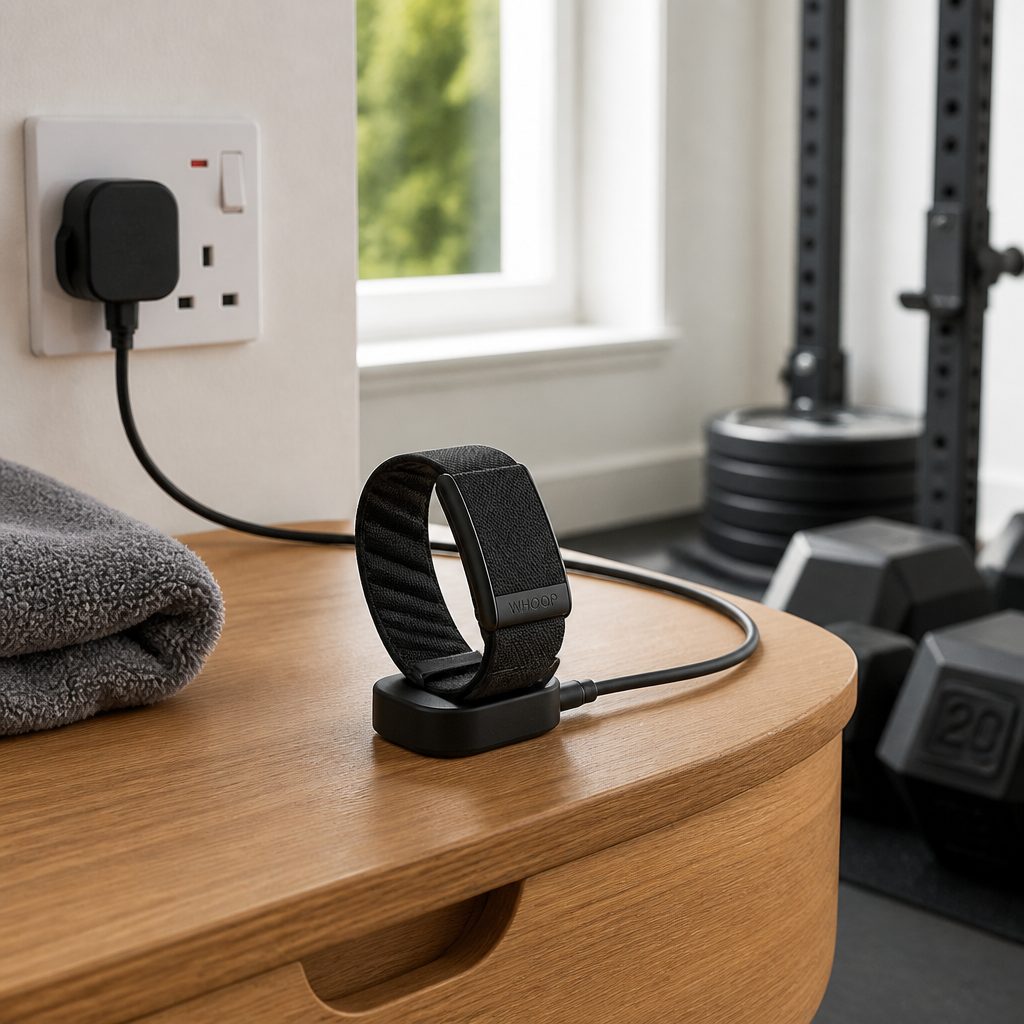
Battery claims are not glamorous, but fewer charging interruptions usually mean a more complete recovery record and less chance of the band being left on a bedside table.
6. WHOOP 5.0, Garmin CIRQA, Polar Loop and Amazfit Helio Strap: the useful differences
Garmin CIRQA was announced in July 2026 and became available to order a few days later. It was Garmin's first screenless band, and it made a strong practical case for people already comfortable in Garmin Connect. There was no required subscription for the useful health and training features, a claimed battery life of up to 10 days, 5 ATM water resistance and a single physical button for starting a favourite activity from the wrist.
The point of CIRQA is not merely that it avoids a subscription. Garmin brought a substantial training ecosystem with it: training status, training readiness, advanced sleep tracking with stages and score, women's health features and more than 80 activity types. Data lives in Garmin Connect, which is free for the essentials. If you already own a Garmin watch or use Garmin's training language, CIRQA is the least disruptive move. It feels familiar rather than like beginning a fresh spreadsheet in another app.
Polar Loop, which began shipping in September 2025, took an even quieter approach. It is button-less and supports automatic workout tracking, with four weeks of data storage. Polar Flow is free and connects with Strava, TrainingPeaks, Apple Health and Google Health. Polar's Training Load Pro system is its answer to the "am I doing too much?" question that draws many people to WHOOP in the first place.
There is one particularly important limitation with Polar Loop: it had no built-in GPS. You needed your phone or a Polar watch for distance and location tracking. That will barely matter to a gym-only lifter. It matters a great deal if you run, ride or walk outdoors and want a complete standalone record without taking your phone along. There is no point pretending that every feature gap is a disaster, but it is exactly the sort of detail that becomes annoying after purchase.
Amazfit Helio Strap arrived earlier in 2025 and was the most budget-minded route into this group. It was a 20g screenless tracker designed primarily for upper-arm wear, though it could also be worn on the wrist for everyday health and recovery monitoring. Its BioTracker 6.0 sensor was the same technology used by HYROX Elite 15 athletes, and the training focus was unusually clear: 27 sports modes, specialised HYROX tracking, and automatic rep, set and rest counting during strength workouts.
For gym training, those strength-specific touches make Helio Strap properly interesting. It is not just another sleep band that reluctantly acknowledges dumbbells exist. Of course, automatic strength tracking should be treated as helpful logging rather than sacred truth; no wrist or arm wearable knows your programme, range of motion, exercise variation and intent as well as you do. But if it saves a little admin after a session, that is still useful.
| Feature | WHOOP 5.0 | Garmin CIRQA | Polar Loop | Amazfit Helio Strap |
|---|---|---|---|---|
| Core payment model | Mandatory annual membership | One-off purchase; no required subscription | One-off purchase; no subscription | One-off purchase; no subscription |
| Claimed battery life | More than 14 days | Up to 10 days | Up to 8 days | Up to 10 days |
| Water rating | IP68, to 10 metres | 5 ATM | 5 ATM | 5 ATM |
| Display approach | Screenless, app-based | Screenless, app-based | Screenless, app-based | Screenless, app-based |
| Training focus | Strain, recovery and sleep coaching | Training status, readiness and broad activity support | Automatic activity tracking and Training Load Pro | Recovery, strength logging and HYROX modes |
| GPS consideration | App-led tracking | Garmin Connect ecosystem | Phone or Polar watch needed for location and distance | Supports GPS-connected workouts |
7. Decide how much gym detail you actually need
For someone who mainly lifts weights, the "best" band is rarely the one that claims to track the most sports. What matters is whether it helps you make better decisions around your sessions. Did your sleep get worse during a hard block? Are you consistently pushing conditioning too hard after heavy lower-body work? Are you recovering poorly because training volume rose too quickly? These are useful questions. Counting every biceps curl with the confidence of a tax inspector is less essential.
WHOOP is strongest when you want a simple training stress narrative across the whole day. It does not ask you to care only about the hour in the gym. It reflects sleep, general activity and accumulated effort, then gives you a framework for choosing your next session. This is helpful for people who are prone to stacking hard sessions because they enjoy suffering and own several motivational hoodies.
Helio Strap makes the most direct pitch to strength and hybrid athletes. The dedicated HYROX race tracking and automated set, rep and rest tracking are particularly relevant if your weeks include sled work, running, functional stations and resistance training. It can be worn on the upper arm, too, which some people find more comfortable during lifting movements than a wrist tracker under wraps or gloves.
Garmin CIRQA is the more rounded option for the person who trains across several disciplines and wants their data to live inside Garmin Connect. It supports more than 80 activities and includes training status and readiness, so it does not leave serious gym-goers with a stripped-back wellness experience just because it has no screen. Its physical button is also a nice practical distinction if you want to start a favourite activity without opening the phone first.
Polar Loop is perhaps best viewed as the calm, conservative option. Automatic workout tracking, Training Load Pro and Polar Flow integration make it a sensible companion for people who want workload context without paying annually. It is especially attractive if you already use TrainingPeaks or Strava and do not need wrist-based GPS. It does less shouting. For some of us, that is a compliment.
Do not confuse a recovery score with a lifting programme
A band can help you recognise fatigue, but it cannot tell you whether your squat technique is drifting, whether your training volume matches your experience, or whether you need more protein and less heroic optimism. Keep a simple workout log alongside wearable data, especially if strength progress is your main goal.
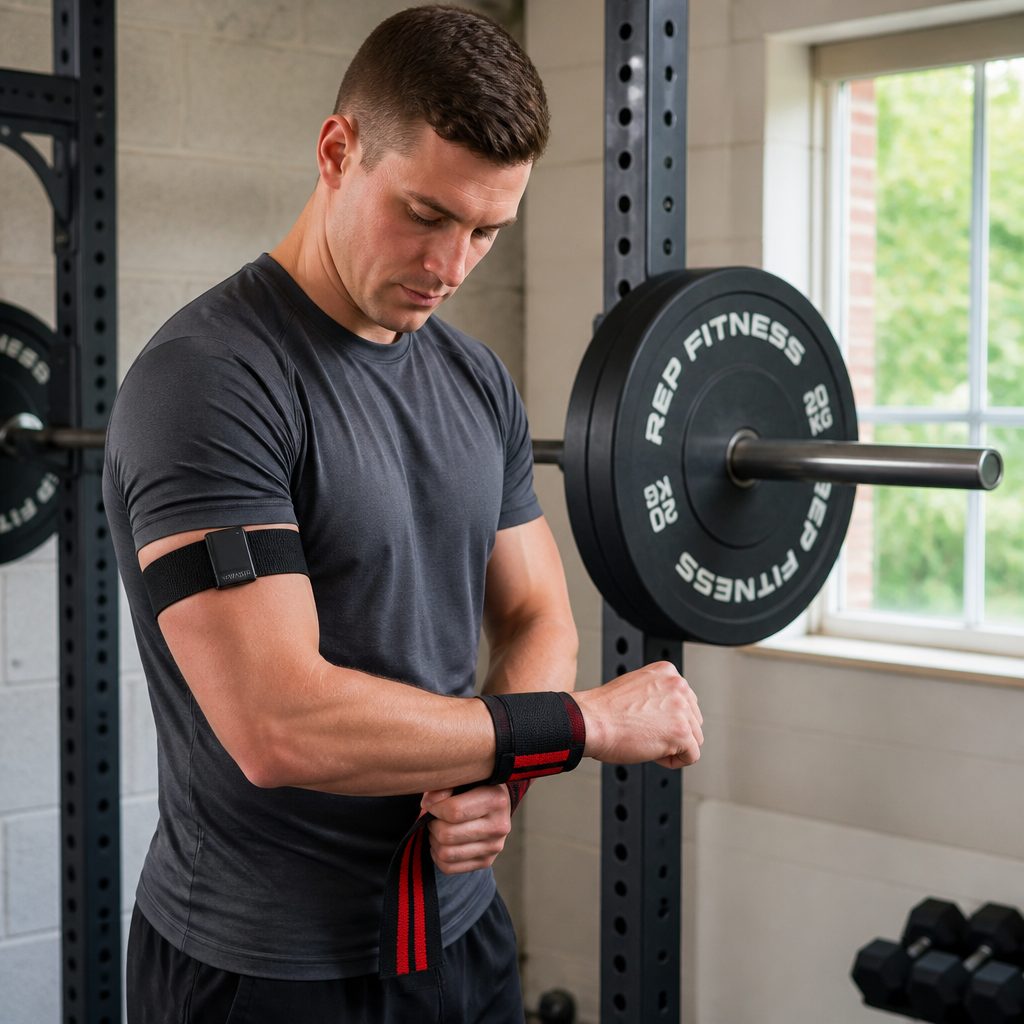
Upper-arm wear can be particularly appealing during strength sessions, where wrist wraps, straps and barbell positioning can make a conventional tracker less convenient.
8. Choose the app ecosystem you will not resent opening
Wearable apps are not all trying to do the same job. WHOOP aims to be a coaching environment. Garmin Connect is broad, dense and built around an enormous range of sports and devices. Polar Flow leans into training records and load management. Zepp supports Helio Strap's recovery and sports features, whilst also connecting with services including Strava, TrainingPeaks, Adidas Running and Komoot.
That means your existing kit matters. If you already have a Garmin watch for outdoor sessions, adding CIRQA can make sense because you keep one training history and one vocabulary. If you are deeply invested in Polar Flow or TrainingPeaks, Polar Loop avoids needless app hopping. If you use Strava but do not care for a sprawling training dashboard, Helio Strap may provide enough without making every Sunday evening feel like a data review meeting.
WHOOP is the more self-contained proposition. That is a benefit if you want one app to tell you what matters. It is less appealing if you already have good training data elsewhere and only want a discreet sensor. Paying annually makes most sense when WHOOP becomes your main decision-making tool, not when it is merely the fourth place you occasionally glance at sleep data.
Also consider the emotional side. Some people love a readiness score because it gives them permission to take an easier day. Others find it oddly deflating, especially if they wake feeling fine and are greeted by an amber warning. There is no right temperament here. If scores tend to make you anxious or overly cautious, choose a band and app that lets you look at trends without turning every morning into a performance appraisal.
| Your situation | Most suitable direction | Why it fits | Watch out for |
|---|---|---|---|
| You want daily recovery guidance and habit coaching | WHOOP 5.0 | Recovery, strain and sleep sit at the centre of the experience. | The membership is ongoing, so use the coaching regularly. |
| You already use Garmin gear | Garmin CIRQA | Training readiness, status and broad activity support live in Garmin Connect. | It is still app-led; the screenless design will not suit live-stat lovers. |
| You want training load without an annual commitment | Polar Loop | Training Load Pro and Polar Flow are the sensible, focused pairing. | Outdoor distance and location require a phone or Polar watch. |
| You mainly lift or train for HYROX | Amazfit Helio Strap | Upper-arm option, strength tracking and specialised HYROX support are useful. | Automatic exercise logging is an aid, not a replacement for your programme. |
9. Best pick for each kind of buyer
There is no need to crown one band the winner for everybody. That is how buying guides end up recommending the same expensive thing to a marathon runner, a casual lifter and someone who simply wants to sleep better. Pick the system that removes friction from your actual routine.
Best on a budget: Amazfit Helio Strap
Shop Amazfit Helio Strap on Amazon UK
Helio Strap is the strongest starting point if you want recovery monitoring and a screenless design without entering an annual payment cycle. Its strength-focused features make it especially good value for regular gym users.
Best all-rounder: Garmin CIRQA
Shop Garmin CIRQA on Amazon UK
CIRQA suits the broadest mix of gym, cardio and general health tracking, particularly for anyone already using Garmin Connect. Training readiness, training status and more than 80 activities give it real depth.
Best premium coaching experience: WHOOP 5.0
Choose WHOOP if you actively want recovery and strain to shape your training decisions, and you are comfortable treating its membership as part of your ongoing health-and-fitness routine.
Best for training-load simplicity: Polar Loop
Polar Loop is a very sensible subscription-free choice for people who want automatic activity tracking, Training Load Pro and straightforward Polar Flow integration without a display competing for attention.
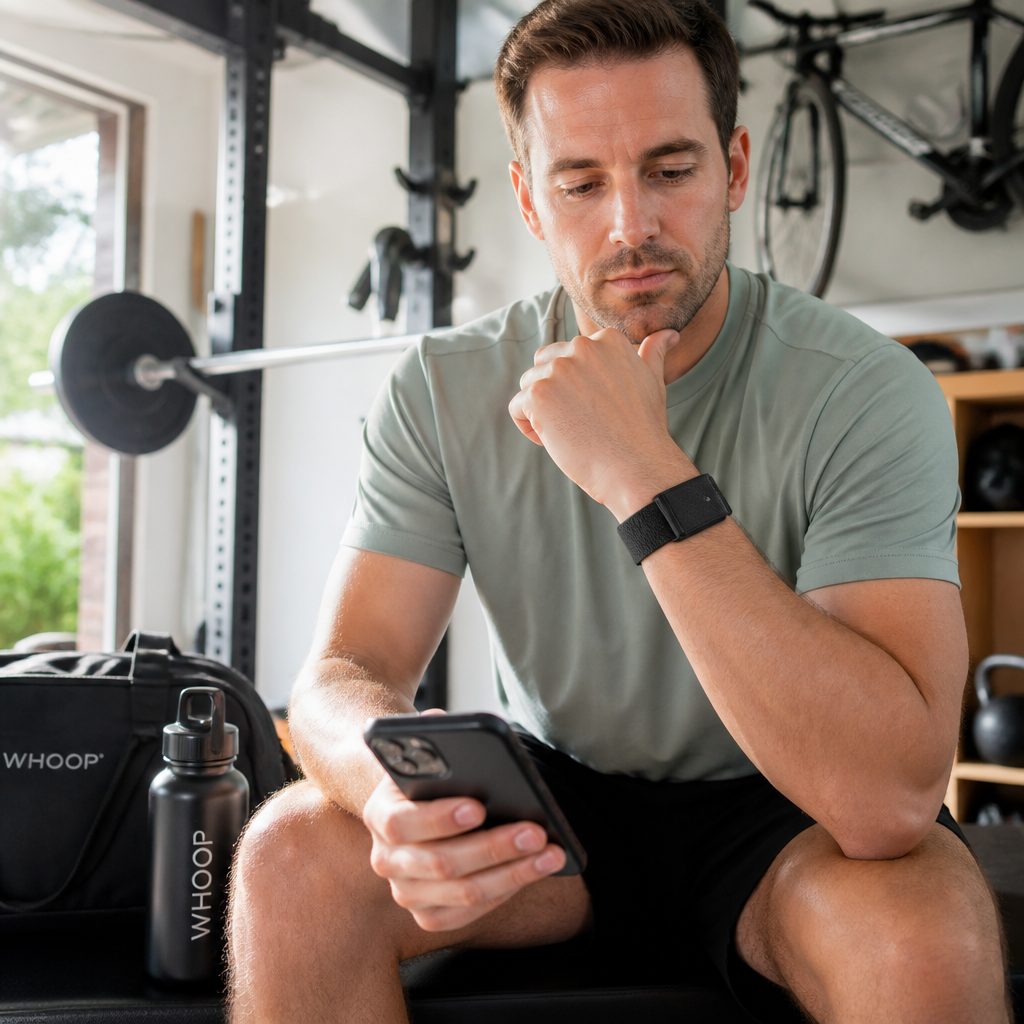
The best tracker is usually the one that fits the rest of your training life, rather than the one with the longest possible feature list.
10. A practical buying checklist before you commit
Use this as a final reality check. It takes five minutes and can save you years of mildly resenting a wearable you bought because a graph looked impressive.
- Write down your training week. Include lifting, runs, classes, sport, commuting and the days you genuinely rest. A band should suit that mix, not just your most photogenic workout.
- Choose your main outcome. Is it better sleep consistency, avoiding overtraining, tracking HYROX work, keeping an eye on load, or simply getting a less distracting alternative to a smartwatch?
- Check what you already use. Garmin watch owners should give CIRQA serious consideration. Polar Flow users should not overlook Loop. TrainingPeaks and Strava users should consider the integrations that will reduce duplication.
- Think about charging tolerance. If you routinely forget to charge devices, WHOOP's longer endurance may be worth more than any individual app feature. If you are organised, the gap between eight, 10 and more than 14 days may not matter much.
- Decide whether a recurring payment changes your behaviour. Some people use a paid membership more because they feel invested. Others feel pressured and eventually stop looking. Neither response is silly; it is simply useful self-knowledge.
- Make a rule for data. Check trends weekly, not compulsively every hour. Wearables are at their best when they encourage a better plan, not when they turn ordinary bodily variation into a small crisis.
It is also worth remembering that every optical wearable has conditions it finds easier or harder. A secure fit, clean sensor contact and realistic expectations are more useful than obsessing over a single odd reading. Use patterns across several days. If something feels medically concerning, do not try to settle the matter with another app refresh.
Health data is not medical advice. Recovery, sleep and heart-rate trends can support better habits, but they are not a diagnosis. WHOOP MG's ECG capability does not make a fitness band a substitute for speaking to an appropriate healthcare professional when symptoms worry you.
11. The sensible answer for most gym-goers
If you are mainly asking whether WHOOP is "worth it", the answer is wonderfully unhelpful but true: it is worth it when you use the coaching to make different decisions. WHOOP did not become popular because people desperately wanted another heart-rate graph. It became popular because it gave training-minded people a language for recovery, sleep and load, then packaged that language into a daily habit.
For the committed gym-goer who trains hard, has inconsistent recovery and responds well to structure, that can be a very good reason to accept a subscription. WHOOP's long battery life, strain framework and recovery-first approach remain compelling. If the app gets you to sleep more consistently, stop forcing awful sessions and build a more sustainable week, it has done useful work.
For everyone else, the buy-once bands are no longer token alternatives. CIRQA brought serious Garmin training features to a screenless form. Polar Loop offered a low-fuss route to activity tracking and Training Load Pro. Helio Strap gave strength and HYROX-focused athletes a particularly affordable, practical option with upper-arm wear. You are not sacrificing the entire idea of recovery monitoring simply because you refuse to rent your wristband indefinitely.
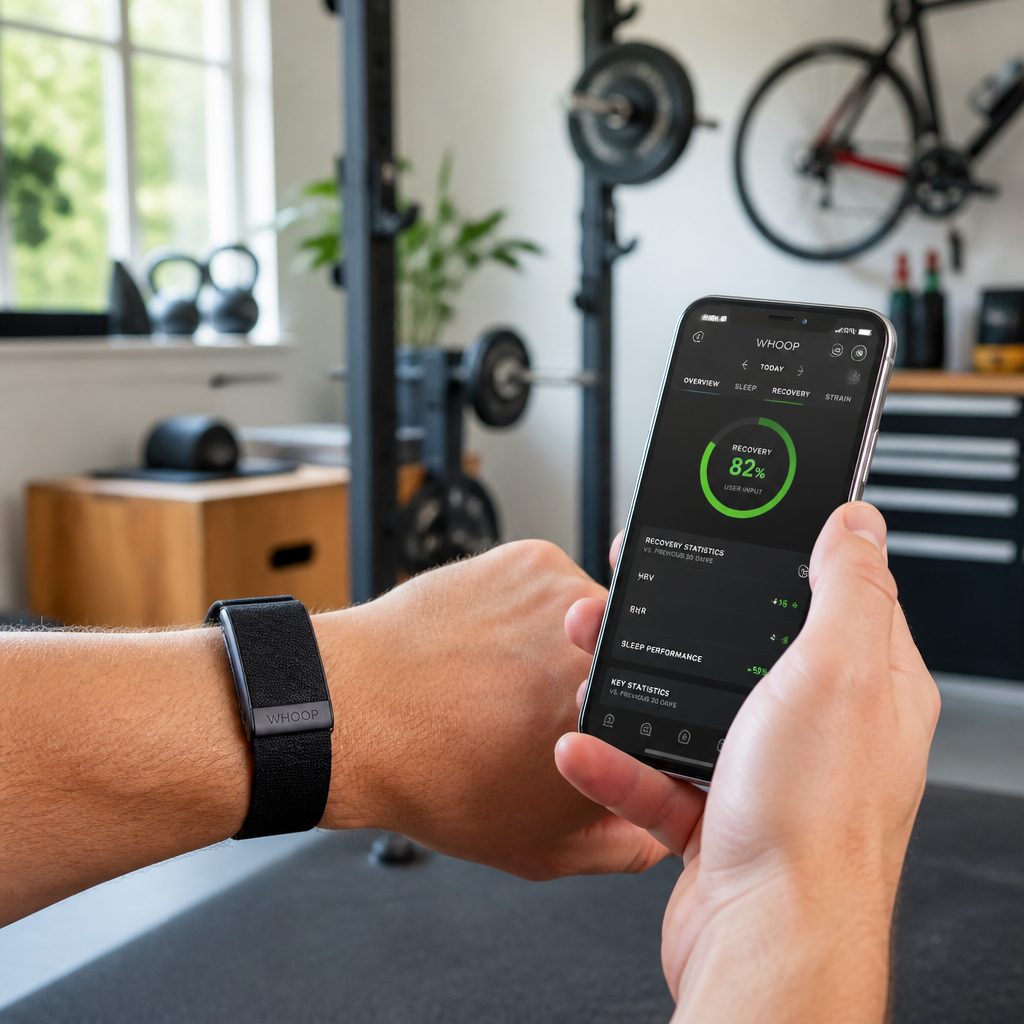
A subscription is easiest to justify when the band changes your choices around sleep, recovery and training volume—not when it merely confirms that Tuesday was, indeed, Tuesday.
Frequently asked questions
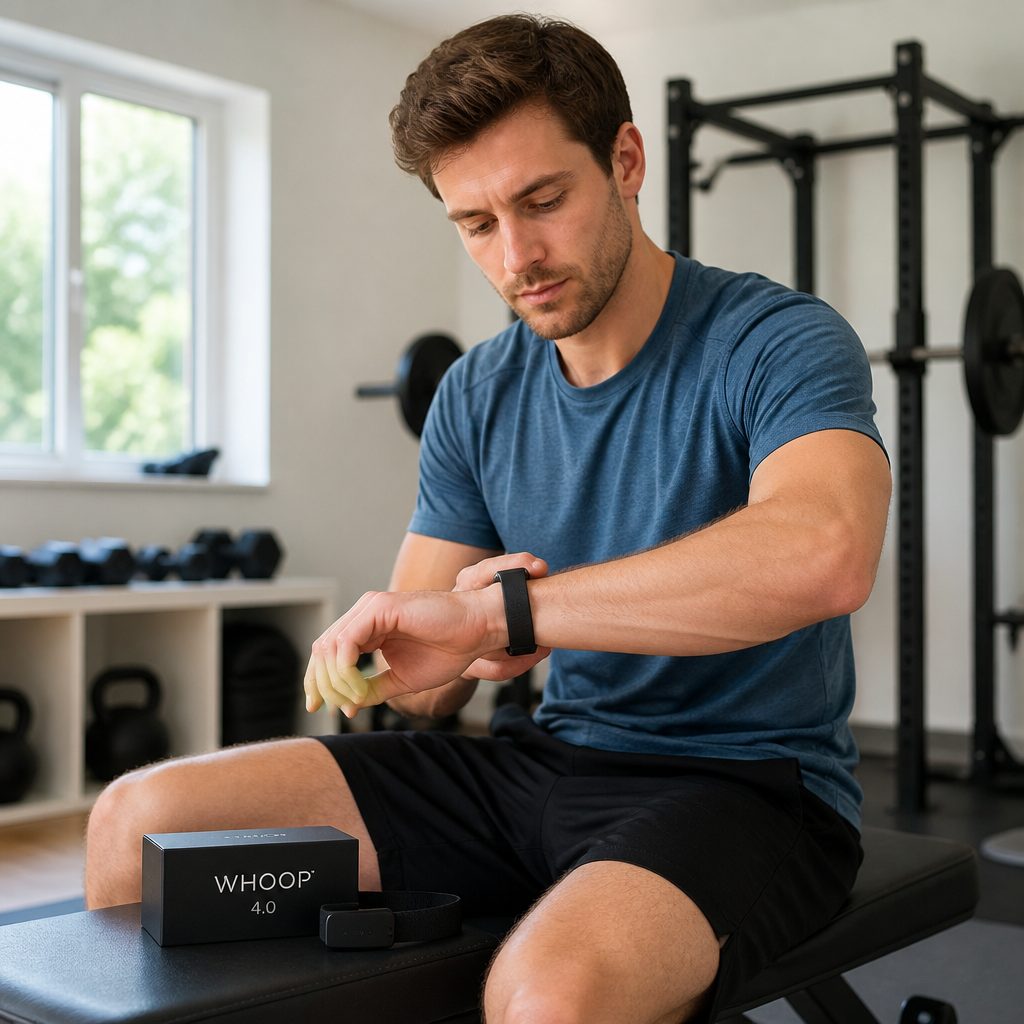
The winning choice is the tracker you will wear consistently, understand clearly and still feel happy to use after the novelty has worn off.
Final verdict: WHOOP is not essential, but its coaching can be worth it
You do not need a WHOOP subscription simply to track recovery, sleep and training load. Garmin CIRQA, Polar Loop and Amazfit Helio Strap all offered credible subscription-free paths, and each had a clearer fit for certain buyers. CIRQA was the best broad training pick, Polar Loop suited low-fuss load tracking, and Helio Strap was especially appealing for strength and HYROX work.
Choose WHOOP 5.0 when you want its app to influence your training and sleep decisions often enough to justify an ongoing commitment. Choose a one-off band when you mainly want your own data, dislike recurring payments, or already have a training ecosystem you trust. In other words: buy coaching if you will use coaching. Otherwise, buy the band once and spend the saved mental energy on a decent training plan, some sleep, and perhaps not turning every session into a final boss battle.