
Oura Ring 5 Review: Is the Smart Ring Still the Screenless Tracker to Beat?
Oura's fifth-generation smart ring is lighter, narrower and more ambitious than its predecessor. For lifters who cannot stand sleeping in a watch or wearing another wrist band in the gym, it remains a remarkably polished answer — although its subscription and the simple physical reality of barbell training deserve a proper look before you commit.
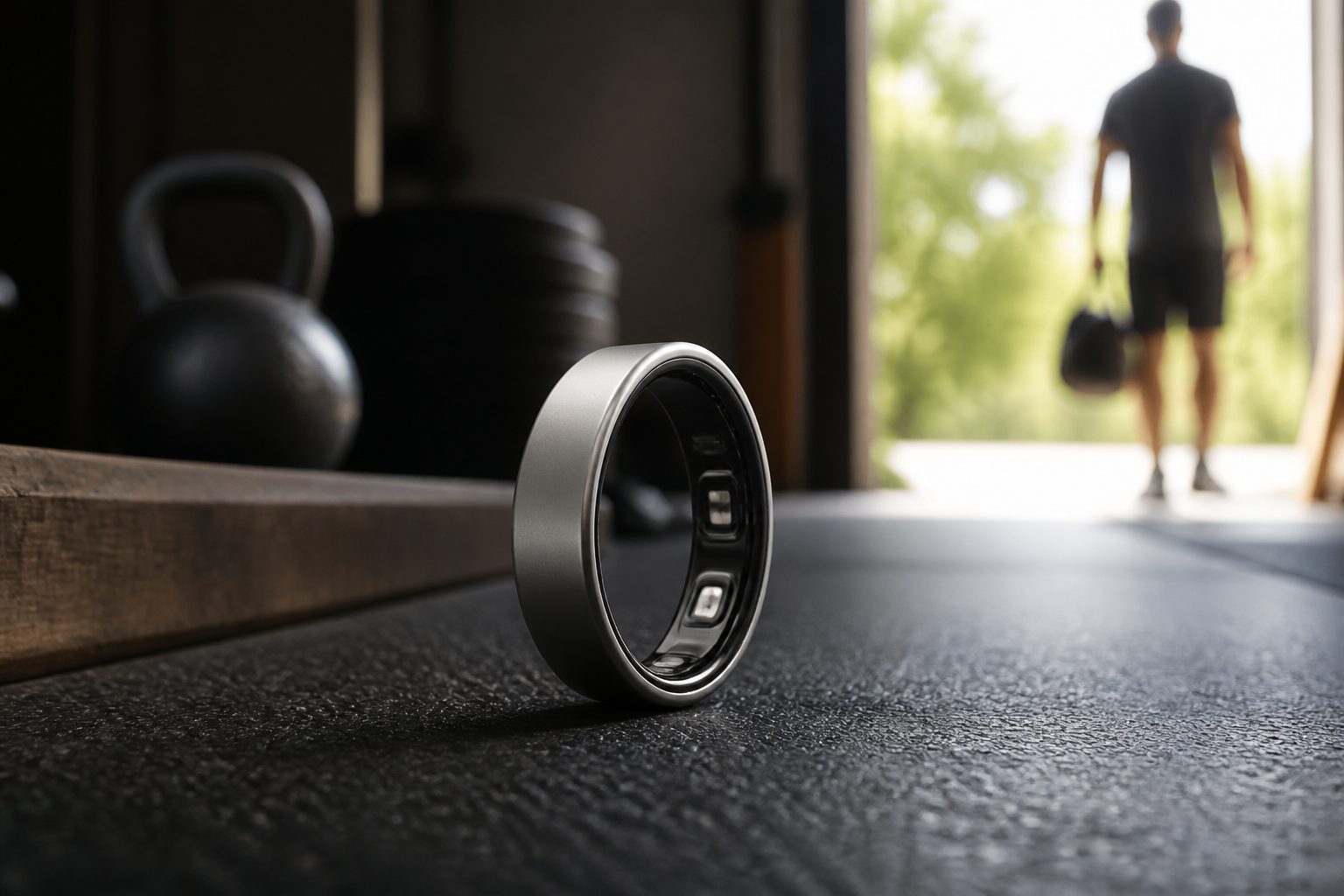
Oura Ring 5 is a notably slimmer finger-worn tracker, intended to disappear into normal life rather than compete with your watch for attention.
 By James Oduya · Staff Writer & Home Gym Columnist · Updated September 05, 2026
Oura Ring 5 at a glance
The Oura Ring 5 arrived in retail on 4 June 2026, following its announcement and preorder opening on 28 May. It replaced the Ring 4 as Oura's flagship at a fairly brisk pace: the Ring 4 had only been around for roughly a year and a half, and the Ring 4 Ceramic for seven months. That is a rapid update cycle for a device whose central promise is calm, long-term tracking rather than annual gadget theatre.
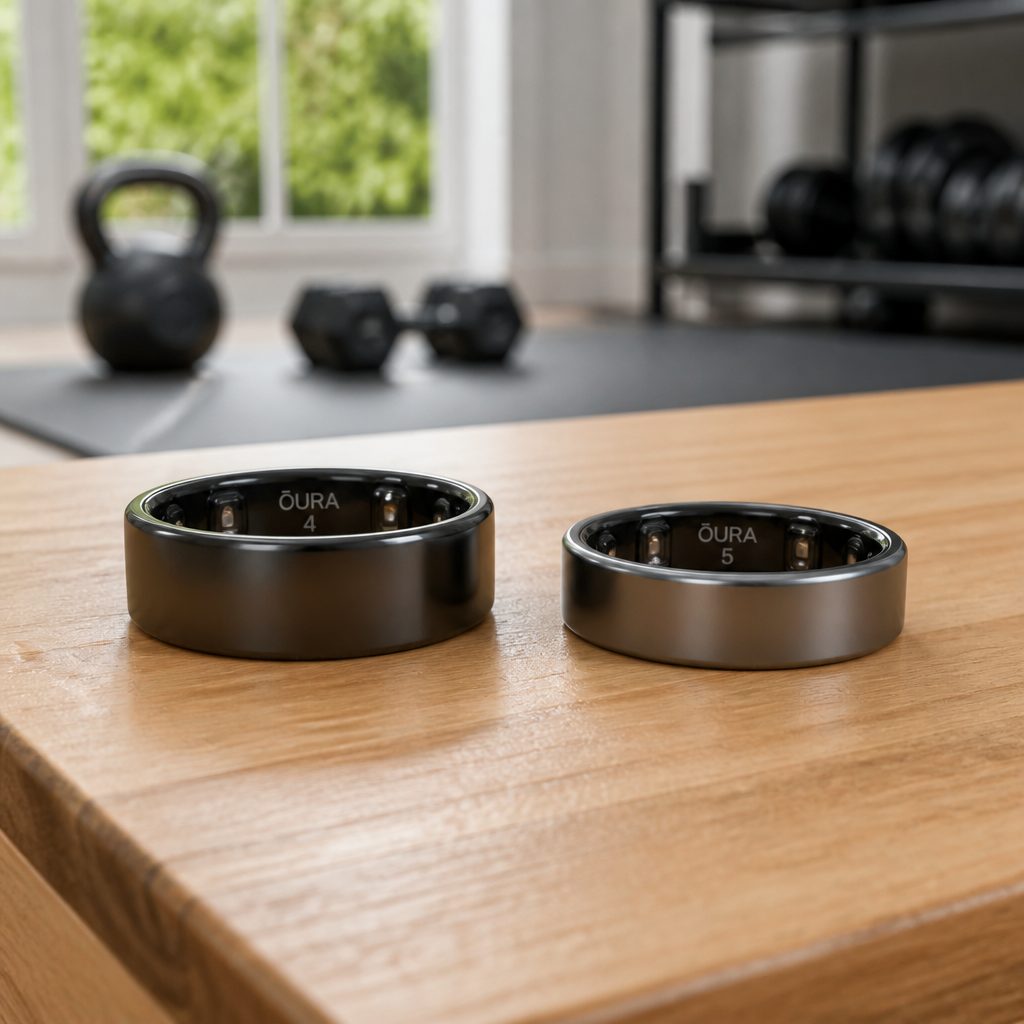
The reduced width and low-profile sensor area are the meaningful upgrades: Ring 5 looks less bulky beside ordinary jewellery than the wider Ring 4.
On first inspection, though, the reason for the update makes sense. Ring 5 is substantially smaller than Ring 4, with a width of 6.09mm and thickness of 2.28mm, down from 7.90mm and 2.88mm respectively. Weight sat between 2g and 2.69g depending on size. Those figures sound like the sort of thing one quotes at a dinner party only if the conversation has gone catastrophically wrong, but on a finger they matter enormously. A few millimetres and a couple of grams are the difference between "smart ring" and "why is my wedding finger wearing a tiny sci-fi tyre?"
This is not a smartwatch reduced to ring size. There is no display, no incoming-message distraction and no ability to glance down mid-set to see an encouraging little animation. That is the whole point. Oura gathered the information quietly and left the interpretation to its phone app. For plenty of gym regulars, particularly those who already wear a conventional watch for actual training or simply dislike having anything on their wrist overnight, that division is far more appealing than it sounds on a spec sheet.
Ring 5 worked with both Apple iOS and Android phones. Its live workout information was viewed in the app or through phone lock-screen widgets rather than on the ring itself, preserving the screenless idea without leaving activity tracking entirely opaque.
Design, finishes and day-to-day comfort
Oura made Ring 5 from scratch-resistant titanium with an upgraded protective PVC coating on the exterior of the titanium hull. It came in sizes 6 through 13 and six finishes: Silver, Brushed Silver, Black, Stealth, Gold and Deep Rose. The latter two were revised rather than merely renamed, with Gold described as a truer gold tone and Deep Rose taking on a more copper-like appearance.
There is no getting around the fact that it is still a visible ring. If you dislike jewellery, the Oura will not pull off an elaborate disguise. But it is a much more plausible piece of jewellery than many earlier smart rings, and the size reduction makes it easier to wear alongside a wedding ring or leave on overnight without becoming newly aware of your fingers at three in the morning. That latter test is more important than brands tend to admit. Sleep tracking only works if you actually sleep in the thing.
The key design detail is inside. Ring 5 used precision-engineered low-profile sensor domes, intended to improve skin contact while avoiding the pronounced internal bumps that could make older smart rings feel overly technical. Oura also used more powerful LEDs and 12 stronger signal pathways. The benefit was not just "more sensors" as a marketing line: more pathways were intended to improve consistency across different finger types and skin tones. A fitness tracker does not become universally accurate because a company says the word inclusive in a press release. It does, however, need robust contact with real skin on real hands, which is where this architecture was doing useful work.
For office work, walking, sleep, travel and recovery days, the small profile was an obvious win. It was also 5ATM water resistant, supporting swim tracking and water exposure down to 50 metres. You could leave it on through showers, washing up and pool sessions without treating it like a gremlin that might dissolve if it sees water.
What Ring 5 tracked — and what it tried to tell you
Oura Ring 5 delivered more than 50 health metrics, with Oura framing the new software as a move beyond daily scorekeeping towards a broader, predictive view of health. That language needs translating. In normal life, the app aimed to make sense of sleep, readiness, resting patterns and changes in your body rather than simply showering you with raw charts until you wondered whether your heart rate had become a second job.
This remains Oura's best quality. The ring was strongest when it had a long, quiet window in which to observe you: overnight sleep, resting heart rate, heart-rate variability and the general rhythm of recovery. External assessment found it strong for resting and overnight heart rate and sleep duration, solid for sleep staging and RMSSD, and weaker for some advanced HRV measures. That is a sensible profile for a screenless ring. It was not trying to replace laboratory equipment or a chest strap; it was trying to spot useful patterns early enough that you might act on them.
Sleep that feeds the wider picture
Sleep duration, overnight heart-rate patterns and staging formed the bedrock of the experience. Buyer reports found that a rough night was generally recognised as a rough night, which is a far more valuable trait than a tracker inventing a flattering story after you have spent six hours staring at the ceiling.
Resting trends rather than wrist-watch noise
Resting heart rate and HRV were areas where Oura tracked closely against a high-end ECG chest strap in comparative testing. This made it particularly useful for noticing accumulated fatigue, illness signals or the lingering effects of a hard training block.
Live Activity Tracking
You could start a workout and follow key metrics through the companion app or phone widgets. Pace and distance were included for activities such as running and cycling, and strength training was included in the live-tracking offering.
Broader health signals
Ring 5 software added blood-pressure signals and on-demand care features alongside its existing health view. The practical point is not to chase every number, but to use the long-term trend information as context for training and everyday choices.
There was also an AI Health Coach, available for an additional fee beyond the regular membership. Some people will appreciate the attempt to turn trends into straightforward guidance. Others will correctly observe that a tracker cannot know you had a brutal deadline, a newborn, a late takeaway and a double espresso after dinner unless you tell it. Technology can be helpful. It does not yet possess your diary, your life history and your mother's roast potatoes. Mercifully.
The sensible way to use readiness data
Treat Ring 5 as a prompt for context, not a command. A poor recovery signal after several short nights may be a useful reason to swap maximal deadlifts for an easier session. One low score on the morning you feel excellent is not a court order requiring you to lie on the sofa.
Sleep and recovery performance
For gym-goers, the argument for Oura mostly begins after the workout has ended. Training watches tend to shine during the session. Oura made more sense in the other 23 hours, particularly when it came to sleep and baseline recovery. A ring is less intrusive in bed than a watch for many people, and the small, low-profile Ring 5 was especially well suited to continuous wear.
The reported sleep performance was encouraging because it aligned with the thing users are most qualified to judge: how the night actually felt. Reviewers reported that when they had slept badly, Ring 5 registered it, and when sleep had been good, the interpretation generally followed suit. It sounds obvious, but it is the standard that matters. A beautifully rendered sleep graph is of limited use if it congratulates you on a "restorative" night after you were awake at 4am contemplating every embarrassing thing you have said since 2009.
Its measured strengths also suited lifters. Resting heart rate and HRV often change before motivation catches up with reality. If you have pushed a hard leg day, eaten poorly, worked late and then slept badly, the ring could help you see the combined pattern rather than blaming every sluggish session on a lack of discipline. That does not mean it can tell you precisely when to deload, nor does it understand the difference between a well-planned peaking phase and a week of questionable decisions. It can, though, make the conversation with yourself more honest.
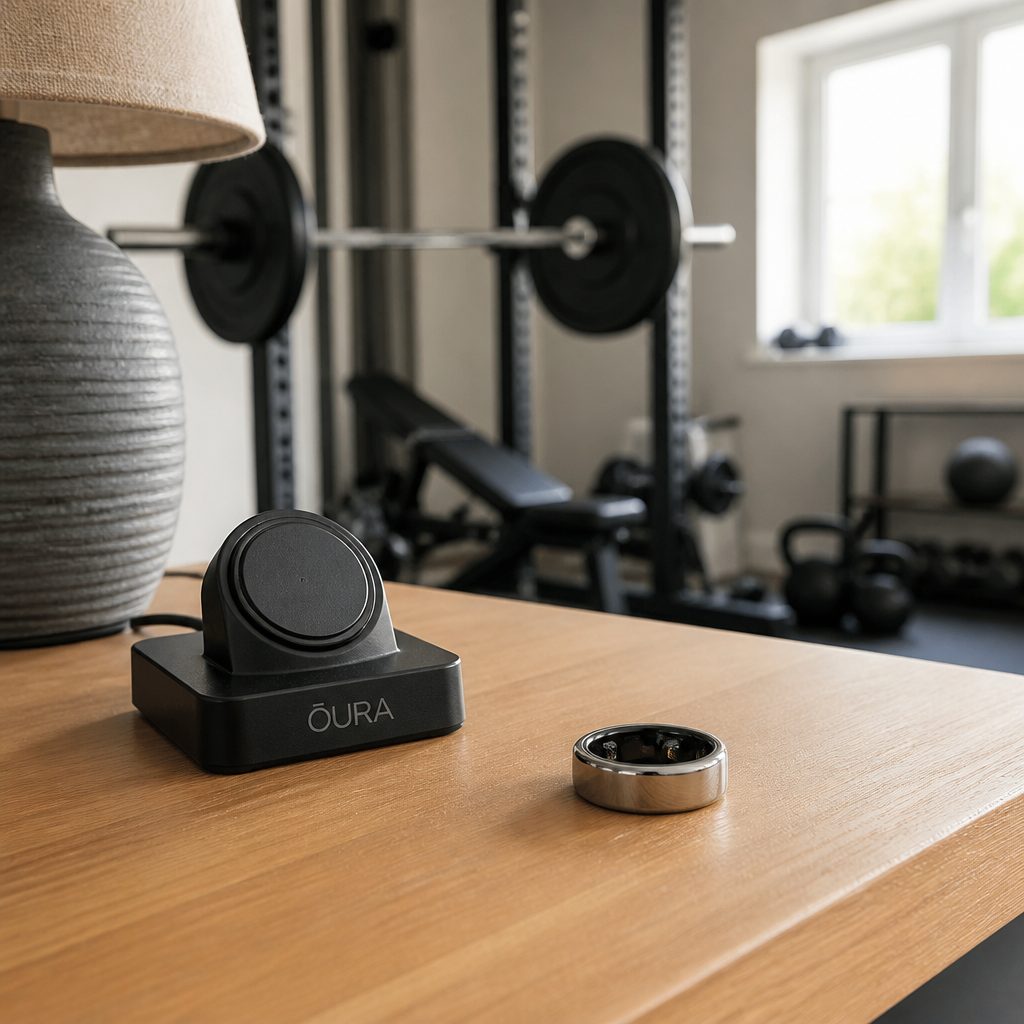
Ring 5's real appeal for strength trainees is overnight wear: recovery information is gathered when a wristwatch is often left charging on the bedside table.
There is an important limitation here. HRV is complicated and inherently individual. Oura was solid for RMSSD but weaker for certain advanced HRV measures. That should not put most people off. It should stop serious data enthusiasts from treating a consumer wellness score as though it were a clinical performance diagnosis. Trends over weeks matter more than one morning's number. Consistency matters more than comparing your HRV to somebody else's heroic screenshot.
Heart-rate accuracy and live workout tracking
Finger-based optical sensing had a promising physiological advantage: fingers can provide strong blood-flow signals. The question, as always, was whether the wearable could turn that advantage into dependable information during movement. In the available cycling benchmark, Ring 5 did impressively well. A Garmin HRM-600 chest strap recorded an average of 140 beats per minute during a one-hour, 56-minute session. Oura Ring 5 averaged 139bpm. Whoop MG, worn at the same time, averaged 138bpm.
That is close enough to be genuinely useful rather than merely technically adjacent. More importantly, Ring 5 mapped a matching cardiovascular arc across the session, rather than arriving at a similar average via a wildly different and unhelpful journey. Another comparison against the Frontier X2 high-end ECG chest strap found Oura closely tracked heart rate, resting heart rate and HRV, while Ultrahuman's readings ran consistently high.
That is the good news. The less romantic truth is that a barbell is not a bicycle handlebar. I would not wear any premium titanium ring for heavy pulling, cleans, kettlebells or repeated dumbbell work where metal presses into the palm. Apart from comfort, there is the obvious risk of scratching the finish, damaging the ring or creating an unpleasant pinch point. A smart ring is a poor substitute for removing jewellery when lifting makes removal sensible. Your fingers will not thank you for trying to prove a point.
Live Activity Tracking gave Ring 5 more gym relevance than Oura's older, largely retrospective approach. You could start a strength workout and view key metrics from the phone. Yet a chest strap still made more sense if immediate, serious training heart-rate information was your priority. That was not a failure of Oura. It was an acknowledgement that the ring's greatest strength was continuous life tracking, not replacing every specialist tool in the kit bag.
Pros
- Excellent size and weight reduction made it easier to wear continuously.
- Heart-rate performance was close to a chest strap in the cited cycling test.
- Strong sleep, resting heart-rate and recovery-oriented experience.
- Long battery life reduced the chance of missing overnight data.
- Live activity tracking made the screenless concept more practical for workouts.
Cons
- A ring remains awkward or unsuitable for many heavy lifting movements.
- Useful insights depended on an ongoing membership after the first month.
- AI Health Coach required an additional fee beyond that membership.
- Workout data lived on your phone, which may frustrate people wanting instant wrist-level feedback.
- Advanced HRV analysis was not its strongest analytical area.
Oura Ring 5 battery life and charging
Battery life was one of the clearest practical improvements. Oura claimed up to nine days, with the general expected range described as six to nine days. Independent use was favourable: one long-term report found two weeks of wear broadly lined up with Oura's six-to-nine-day claim, while another tester achieved around 12 days. The exact figure will always depend on size, usage and the small chaos of real life, but the broader message was uncomplicated: Ring 5 did not require fussy nightly charging.
That matters more on a recovery tracker than it does on a running watch. A device that dies on the night you sleep badly has a cruel sense of timing. With Ring 5, charging every several days was realistic rather than aspirational. It reached full charge in around 80 minutes, and testing found it rose from 15% to roughly 50% in 25 minutes. That is useful in the ordinary, slightly disorganised moments when you notice the battery is low immediately before bed.
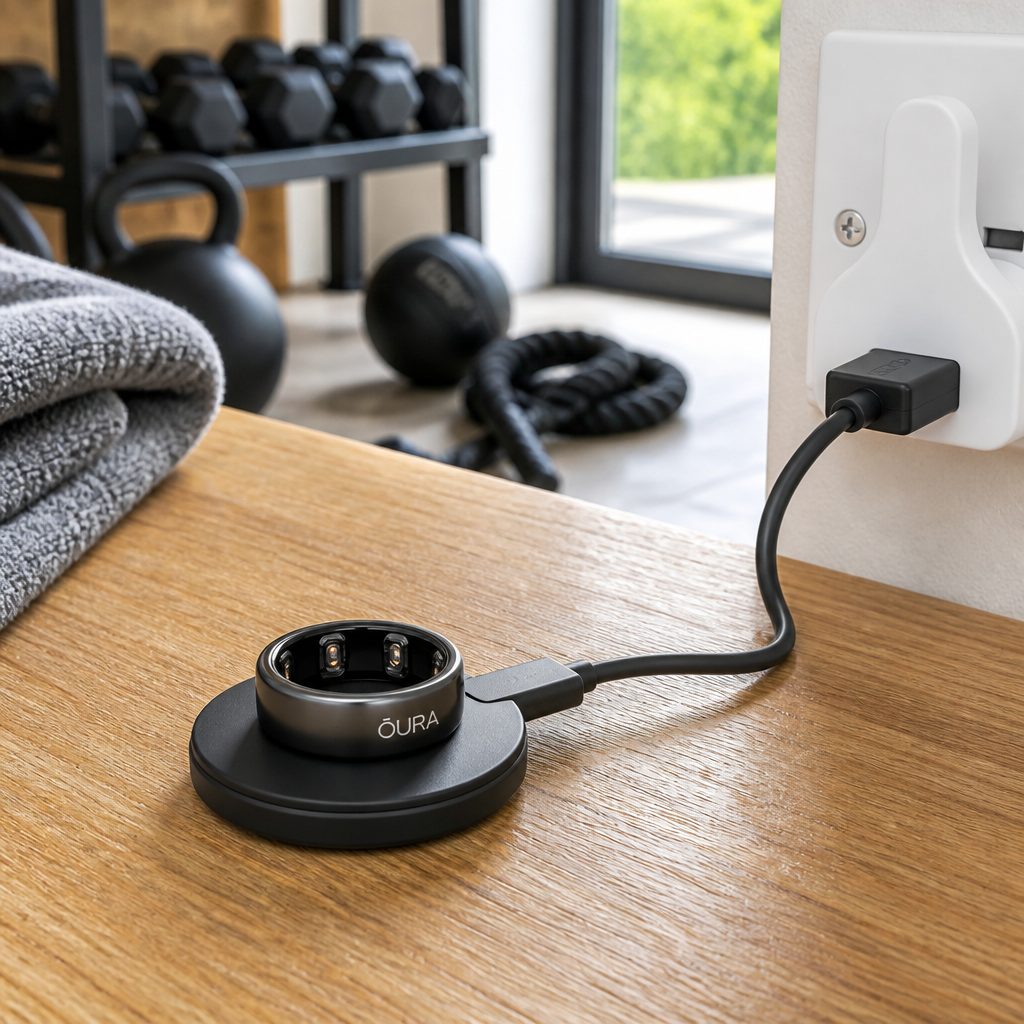
The supplied, size-specific USB-C charging dock supported a full recharge in roughly 80 minutes, with a meaningful top-up possible while you make tea and pretend you are organised.
A standard, size-specific dock came in the box and connected via USB-C. Oura also offered an optional charging case. The case was a nice convenience for travellers or anyone who habitually leaves a charger in precisely the room they are not currently in, but it was not essential to the basic experience. The core dock was enough.
Compared with Ultrahuman's commonly reported five-to-eight-day range, Ring 5 had a proper endurance advantage, and its charge time was also considerably shorter than the two to three hours attributed to that rival. In a product category defined by passive, continuous use, those mundane wins are surprisingly decisive. More battery means less missing sleep data, fewer interrupted routines and less opportunity for the tracker to become drawer décor.
Oura Ring 5 versus Ring 4, Whoop MG and Ultrahuman
Ring 5 did not arrive because Ring 4 had suddenly become useless. Ring 4 and Gen 3 remained active in the market, and both still made sense for people able to find the right deal or who simply did not need the slimmer hardware. But the fifth generation's physical changes were substantial enough that Ring 4 no longer felt like the obvious compromise-free choice.
The comparison is clearest against Ring 4. Ring 5 was 6.09mm wide and 2.28mm thick, compared with 7.90mm and 2.88mm. It also weighed 2g to 2.69g compared with Ring 4's 3.3g to 5.2g. On a spreadsheet, those are modest reductions. On a finger, all day and all night, they were a fairly big deal. Ring 5 also added the revised sensor architecture, longer claimed battery range and the newer software features.
| Feature | Oura Ring 5 | Oura Ring 4 | Whoop MG | Ultrahuman |
|---|---|---|---|---|
| Wear format | Screenless titanium smart ring | Smart ring | Screenless wearable | Smart ring |
| Width | 6.09mm | 7.90mm | Not compared here | Not compared here |
| Thickness | 2.28mm | 2.88mm | Not compared here | Not compared here |
| Weight | 2g to 2.69g | 3.3g to 5.2g | Not compared here | Not compared here |
| Battery indication | Six to nine days claimed; up to nine days | Five to eight days | Not compared here | Typically five to eight days |
| Cycling HR average | 139bpm | Not compared here | 138bpm | Not compared here |
| Reference chest-strap average | Garmin HRM-600: 140bpm over 1 hour 56 minutes | |||
Whoop MG remained a serious comparison if you wanted a screen-free training and recovery wearable but did not want a ring. In the shared cycling session, it was also very close to the chest strap. Its advantage was that a band format could be easier to keep on through certain training types. Oura's advantage was that a ring is less conspicuous overnight and does not add another strap to the wrist. The correct choice was mostly about where you disliked wearing things.
Ultrahuman remained the more obvious smart-ring alternative, but the comparative data gave Oura a meaningful edge in heart-rate and HRV tracking against the Frontier X2 reference. Ultrahuman readings ran consistently high in that comparison. Ring 5 also had stronger quoted battery longevity and notably quicker charging. That does not make Ultrahuman unusable; it simply makes the Oura feel more complete as the premium, recovery-led ring for people who value confidence in the basics.
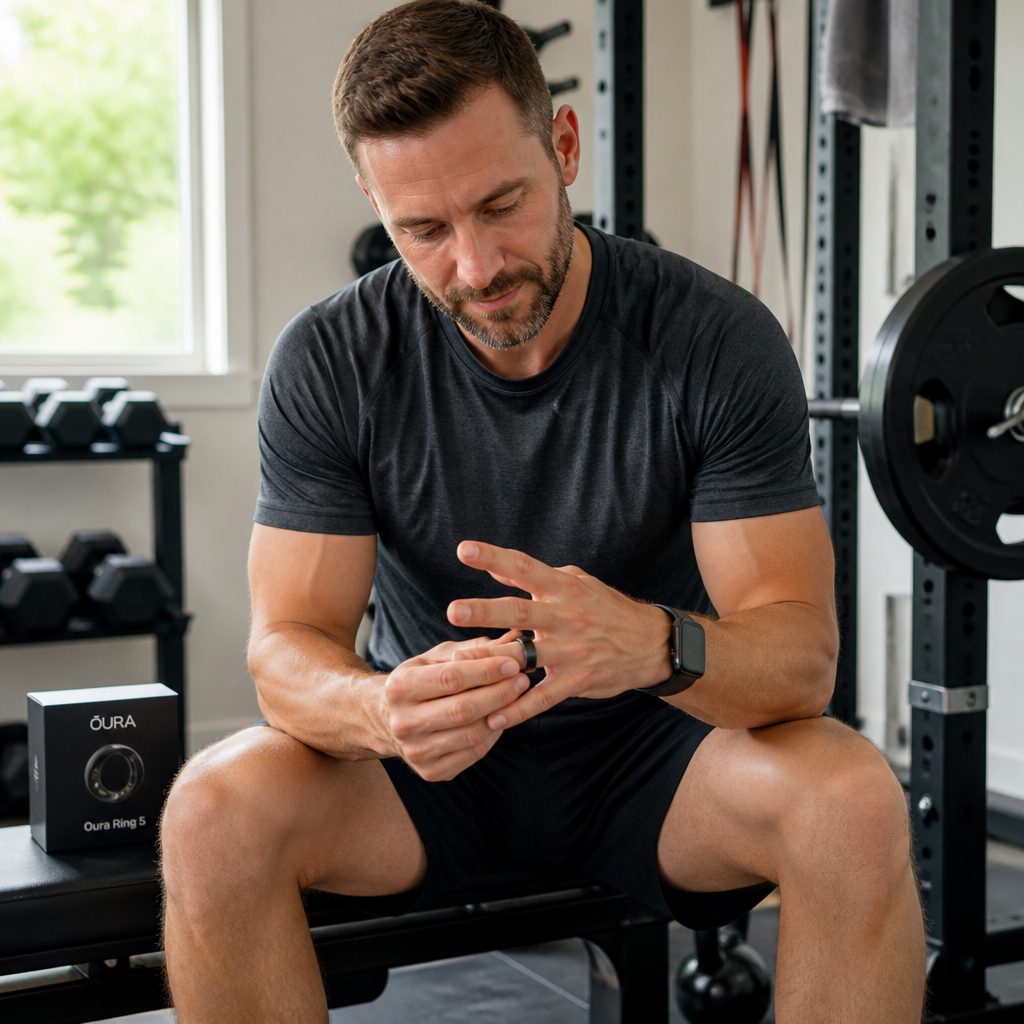
For gym users, the choice between Oura and a band-style competitor often comes down to this: would you rather remove a ring for barbell work, or wear a strap every night?
Membership, ownership and value
Ring 5 sat firmly in the premium end of the smart-ring market. It also cost more than Ring 4 at launch, so this was not an inexpensive incremental refresh dressed up as a revolution. The hardware was refined, the sensor system was more capable and battery performance was stronger, but you needed to genuinely value recovery tracking and long-term health context for it to make sense.
Oura's ongoing membership was the unavoidable value question. New members received the first month free, after which the membership continued on a monthly or annual basis. Core usefulness was tied to the service, and the AI Health Coach cost extra on top. That model will be completely acceptable to some buyers and deeply irritating to others. Neither reaction is silly.
My view is simple: recurring payment is easier to live with when the app becomes part of your routine. If you check sleep and readiness trends, adjust training volume occasionally, notice when illness or travel is affecting recovery and use the information to improve habits, there is a case for it. If you want a one-off hardware purchase that logs workouts and leaves you alone thereafter, the Oura model will grate. No amount of lovely titanium changes that.
Who should buy Oura Ring 5?
The best buyer for Ring 5 was not necessarily the person with the most elaborate training plan. It was the person who wanted meaningful health and recovery context with as little wearable friction as possible. If a smartwatch already annoys you by breakfast, a silent ring has a surprisingly persuasive argument.
Best for lifters who hate wrist bands
Choose Ring 5 if you want overnight recovery data but dislike sleeping in a watch or wearing a strap all day. Remove it for heavy barbell, kettlebell and dumbbell work where a ring becomes uncomfortable or impractical.
Best for sleep-first tracking
Its low weight, slim body, long battery life and strong overnight metrics make it an excellent fit for people who care more about recovery trends than staring at exercise numbers during a session.
Best premium all-rounder
For buyers happy with a membership and wanting polished health interpretation, the close cycling heart-rate result and broad software experience made Oura Ring 5 the strongest all-round screenless ring proposition.
Not best for subscription sceptics
If ongoing fees irritate you on principle, do not buy in the hope that you will stop noticing them. The value of Ring 5 depended on using Oura's continuing health service, not merely owning attractive hardware.
Living with Oura Ring 5 in a gym routine
Shop Living with Oura Ring 5 in a gym routine on Amazon UK
It is worth being precise about how I would use Ring 5 around strength training, because this is where marketing images and normal gym life occasionally part ways. I would wear it for sleep, walking, commuting, work, recovery days, cardio and casual activity. I would use the recovery view in the morning as one input among several. Then, before a session involving loaded gripping, I would take it off and put it somewhere safe.
That is not an admission of defeat. Plenty of lifters already remove wedding bands for training. A ring that costs more than a basic gym accessory deserves the same caution. Wearing it through an easy machine workout may be fine, but heavy rows, pull-ups, deadlifts, carries, Olympic lifts and kettlebell work ask a lot of the hands. Titanium may be durable and scratch resistant, but gym equipment is not famed for its manners.
The reward for that small routine was a tracker that did not ask you to swap your normal watch habits, did not vibrate on your wrist and did not make bedtime feel like a low-budget mission-control centre. It could support Live Activity Tracking when you wanted it, while still being at its best when you forgot it was there. That is the screenless tracker ideal, really: useful enough to change behaviour, quiet enough not to become another tiny boss.
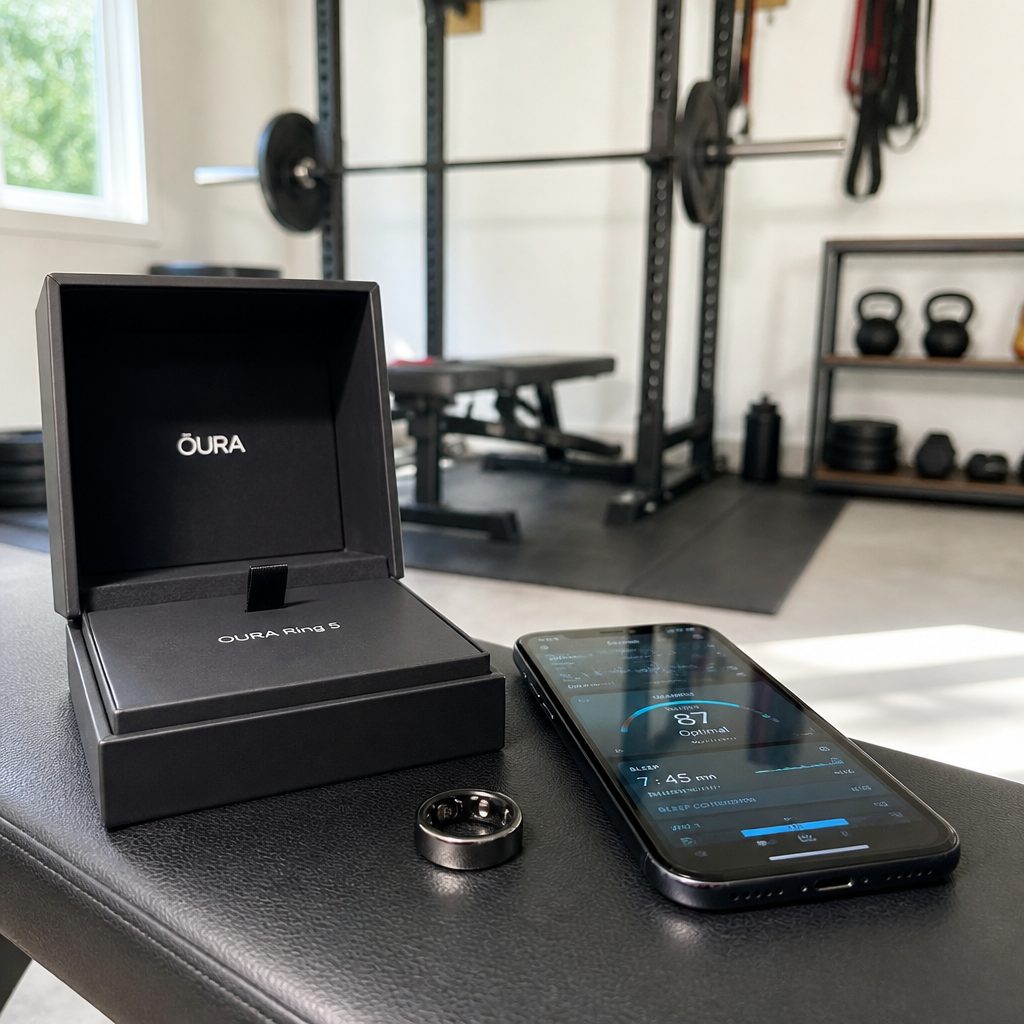
For a lifting-focused routine, Ring 5 worked best as a recovery and all-day tracker rather than jewellery you insist on wearing through heavy gripping exercises.
Ratings
Ring 5 was not perfect, largely because the physical format limited its usefulness in certain gym sessions and the subscription altered the ownership proposition. But judged as a refined screenless tracker — not as a miniature sports watch — it did an exceptional amount right.
Oura Ring 5 FAQ
It was useful around strength training rather than necessarily during every lift. Ring 5 could support Live Activity Tracking for strength sessions, but heavy barbells, dumbbells and kettlebells made ring wear uncomfortable or inappropriate for many people. Its stronger role was tracking sleep, resting trends and recovery between sessions.
In a one-hour, 56-minute cycling test, Ring 5 averaged 139bpm against 140bpm from a Garmin HRM-600 chest strap. It also closely tracked heart rate, resting heart rate and HRV against a Frontier X2 ECG chest strap in another comparison. A chest strap still remained the specialist choice for serious live exercise monitoring.
Oura quoted up to nine days, with six to nine days presented as the normal expected range. Independent reports included around 12 days in one test and two weeks of continuous wear that still broadly supported the company's stated claim. A full charge took around 80 minutes.
Yes. Ring 5 had 5ATM water resistance and supported swim tracking as well as water exposure down to 50 metres. That made it suitable for swimming, showers and ordinary daily water exposure without a separate removal routine.
Ring 5 was narrower, thinner and lighter: 6.09mm wide and 2.28mm thick versus 7.90mm and 2.88mm for Ring 4, with a weight range of 2g to 2.69g rather than 3.3g to 5.2g. It also brought low-profile sensor domes, 12 stronger signal pathways, revised software and improved battery expectations.
New members received a free first month, followed by an ongoing membership. The AI Health Coach was an additional paid feature beyond the regular membership. This was a major consideration because Ring 5's appeal relied heavily on Oura's continuing health interpretation and app experience.
Its reduced dimensions and 2g to 2.69g weight made it one of the more sleep-friendly smart-ring options. Comfort remained personal, particularly if you dislike rings generally, but the slimmer profile was a substantial improvement over Ring 4 and suited the product's overnight tracking focus.
It was better if you disliked wrist bands, wanted unobtrusive sleep tracking and were happy to remove a ring for heavy lifting. A band-style tracker could be more convenient during grip-heavy sessions. Oura's advantage was the less conspicuous, jewellery-like format and its polished recovery-led health experience.
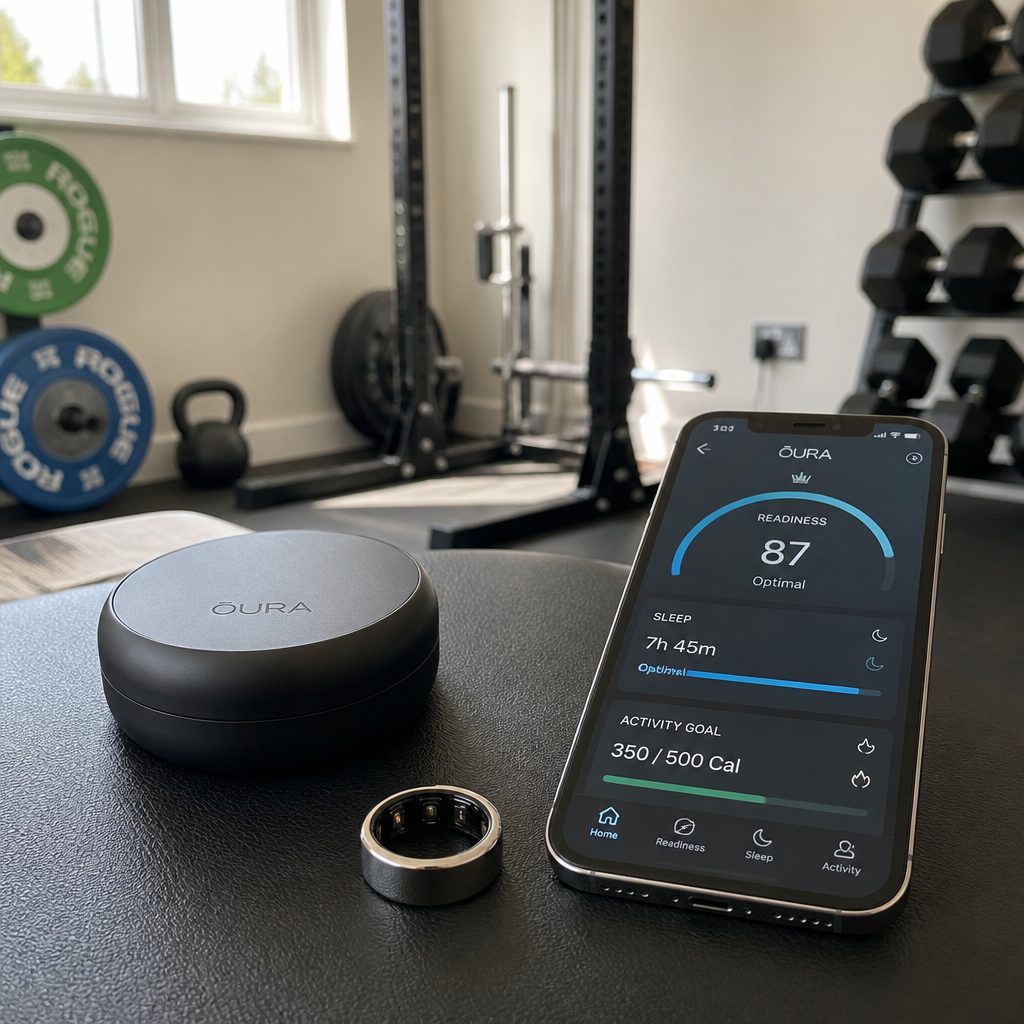
The final case for Oura Ring 5 is not that it replaces every sports device, but that it makes continuous health tracking feel unusually easy to live with.
Final verdict: still the screenless tracker to beat?
Yes, with a very specific caveat. Oura Ring 5 remained the screenless tracker to beat if your priority was low-friction sleep, recovery and everyday health tracking in a form that did not occupy your wrist. The much slimmer titanium body, improved sensor setup, impressive cycling heart-rate benchmark and genuinely strong battery performance made it a meaningful refinement rather than a cosmetic annual refresh.
For lifters, it was best viewed as the quiet half of a sensible tracking setup: wear it nearly everywhere, use its sleep and recovery information to add context to training, and remove it before heavy gripping work. If you demand instant workout feedback on the body, or refuse subscriptions on principle, it was not the obvious answer. If you want tracking without another glowing rectangle demanding your attention, though, Ring 5 was exceptionally hard to beat.