
Fitbit Air Arrives in India as UK Price Pressure Mounts
Google's screenless tracker goes on sale in India at ₹13,999, tightening the squeeze on Polar and Amazfit in the UK's fast-moving no-screen wearables segment.
 By James Oduya · Staff Writer & Home Gym Columnist · Updated October 02, 2026
What you need to know
- The Fitbit Air went on sale in India on 2 October 2026, priced at ₹13,999, after launching in the UK on 26 May 2026 at £84.99.
- At £84.99 with no required subscription, the Air undercuts the Polar Loop (£179) and the Amazfit Helio Strap (£99.99) in the UK.
- Key features include passive AFib detection, SpO₂, HRV, skin temperature, and a 7-day battery, all in a 5.2-gram screenless pebble.
Google's Fitbit Air went on sale in India on Friday 2 October 2026, priced at ₹13,999, extending the screenless tracker's global footprint following its UK and US debuts earlier this year. The expansion is already being felt closer to home: at £84.99 in the UK, the Air sits meaningfully below its two closest no-screen, no-subscription rivals — the Polar Loop at £179 and the Amazfit Helio Strap at £99.99 — and the pressure on both brands to respond shows little sign of easing.
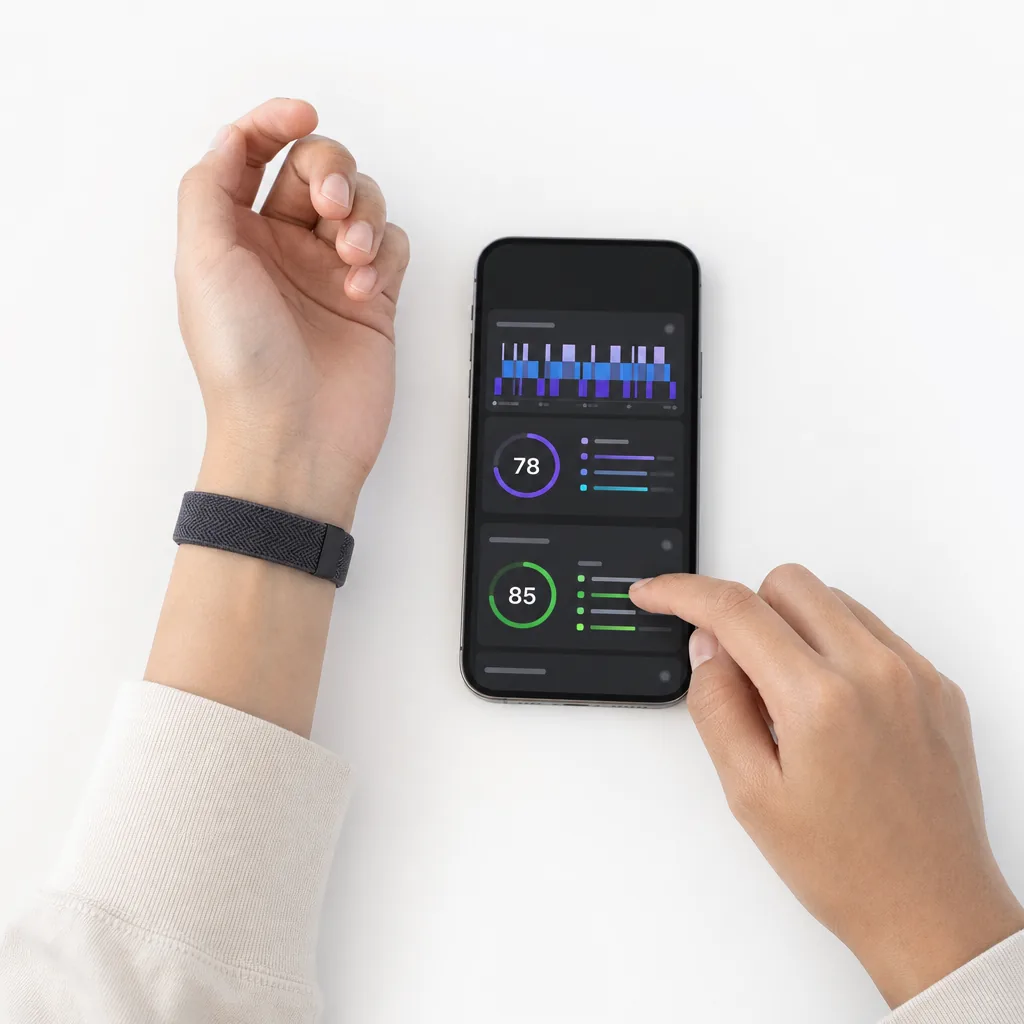
India launch: the details
Google confirmed the India launch at its Made by Google India briefing on 13 August 2026, the same event at which the Pixel 11 series and Pixel Watch 5 were unveiled. Sales began on 2 October through the Google Store, Flipkart, Croma, Reliance Digital, Vijay Sales, and a range of other retail partners, according to Smartprix.
At ₹13,999, the Indian price works out to roughly $146 at current exchange rates — approximately 48 per cent higher than the US launch price of $99, according to India TV News. A Flipkart listing also showed an ICICI Bank offer reducing the effective price to ₹12,599 for eligible cardholders.
The India rollout follows launches in the US, UK, Europe, and Australia, making it one of the more rapid global rollouts for a Fitbit device in recent memory. The Air is, notably, Google's first new Fitbit hardware in four years.
What the Fitbit Air actually is
In case you missed the UK launch in May, here is a quick recap of what the device offers. The Fitbit Air is a screenless cylindrical pebble measuring 34.9 × 17 × 8.3 mm and weighing just 5.2 grams — or 12 grams with the band fitted. There is no display whatsoever: all feedback comes via a haptic motor, four status LEDs, and the Google Health app on your paired smartphone.
Despite the minimal form factor, the sensor list is substantial. Confirmed features include:
- 24/7 optical heart rate monitoring, sampling every two seconds
- SpO₂ blood oxygen tracking via red and infrared sensors, active overnight
- Heart rate variability (HRV) monitoring
- FDA-cleared AFib detection, running passively in the background — no manual ECG required
- A skin temperature dermal sensor for sleep and menstrual cycle analysis
- 3-axis accelerometer and gyroscope
- Bluetooth 5.0 and connected GPS via smartphone (no internal GPS chip)
- Water resistance to 50 metres
Battery life is rated at up to seven days, and fast charging delivers a full day of use from just five minutes plugged in — a practical detail for anyone who habitually forgets to charge overnight.
Sleep tracking covers Sleep Score, stages, duration, and schedule, plus a Smart Wake alarm that times a vibration alert to the lightest point in your sleep cycle. The Air is available in Obsidian, Fog, Berry, and Lavender, with additional bands starting from £34.99.
The software side: Google Health and the Gemini coach
The Fitbit Air works with the Google Health app on both Android and iOS. All core tracking — heart rate, sleep stages, steps, SpO₂, and AFib detection — is available without any subscription, which is a meaningful distinction in a segment where Whoop charges from £169 per year before you even see your data properly.
Google Health Premium, which is included free for three months with every Air, unlocks a health coach powered by Gemini, Google's AI model. According to Google, the coach builds personalised workout and sleep plans from your actual tracked data rather than generic templates, and can respond to health questions with evidence-backed guidance. One notable feature: users can photograph cardio equipment or a circuit-training routine written on a gym whiteboard and receive contextual coaching in return.
After the three-month trial, Premium renews at $9.99 per month or $99.99 per year in the US — roughly £8 per month or £79 per year at current rates. Google has not formally confirmed UK-specific subscription pricing.
What it means for UK buyers — and UK rivals
The no-screen fitness tracker category has grown quickly. According to Omdia data cited alongside the Air's launch, screenless and display-free bands surpassed 15 per cent of basic band shipments globally in Q2 2026. The Polar Loop entered the subscription-free band space in September 2025, while Amazfit launched its Helio Strap in June 2025 — both positioning themselves as premium, no-subscription alternatives to Whoop.
Then Google arrived at £84.99.
The Fitbit Air undercuts the Amazfit Helio Strap — officially £99.90 on the Amazfit UK store — by around £15, and the Polar Loop by a substantial £94. It also packs passive AFib detection, a feature Whoop does not advertise, making it particularly relevant for buyers over 40 who want continuous heart rhythm screening without paying a premium or fiddling with a manual ECG.
UK retailers currently stocking the Fitbit Air include the Google Store, Argos (from £84.95), and Currys (£84.99). With the India launch now live and the device firmly established across major markets, Google appears intent on sustaining pressure on the category it arrived late to — but entered at a price that landed hard.
Why it matters
For UK shoppers who have been eyeing a screenless tracker but baulking at Polar's £179 price tag or Amazfit's near-£100 ask, the Fitbit Air has already made the decision considerably simpler. At £84.99 with no subscription gate on core features — including FDA-cleared AFib detection that rivals like Whoop don't advertise — it delivers a genuinely competitive health-monitoring package at a mass-market price. The India rollout is a signal that Google is pushing the Air into major global markets in quick succession, which tends to sustain retail momentum and keep rivals honest on pricing.